
https://www.finservpartners.com/about/ https://onemillionjourney.com/fi-ratio-pi/ Centro Cultural Universitario Tlatelolco (CCUT), UNAM
Buy Ativan Online Without Prescription Mexico City, Mexico
Curated by: James Oles
Buy Lyrica Without Prescription October 2013
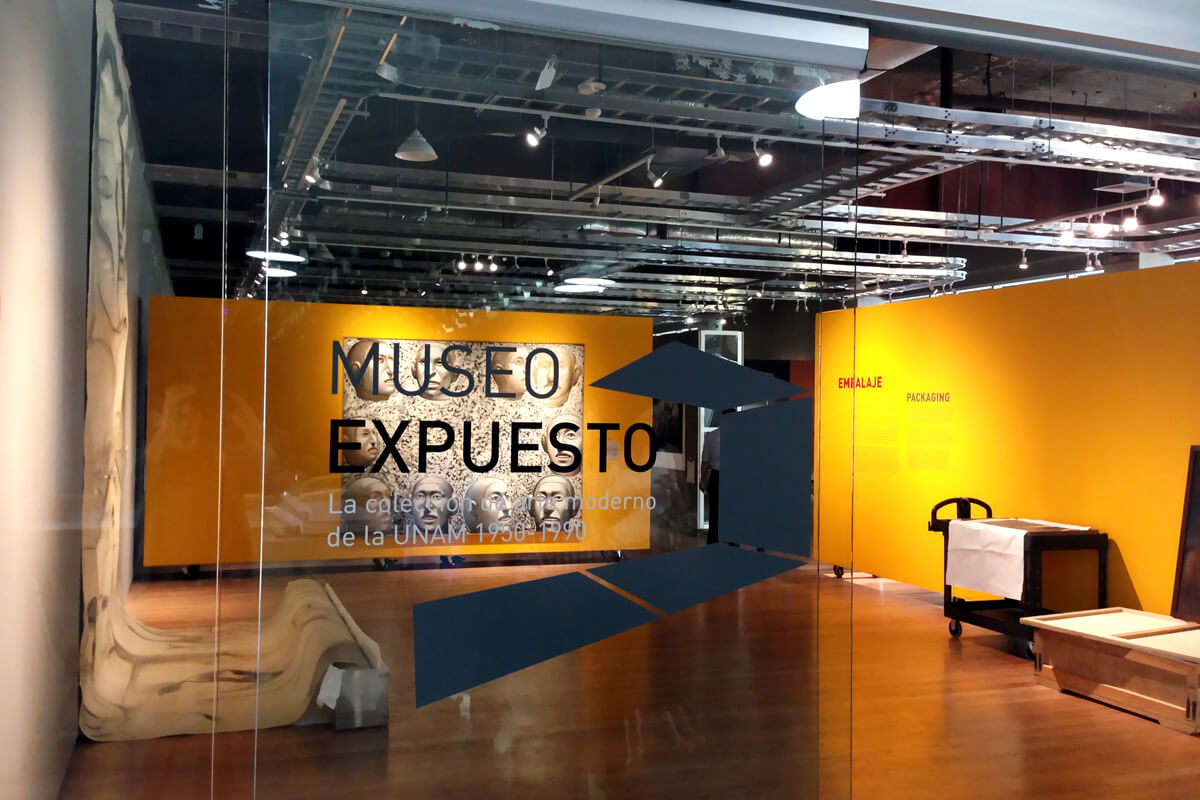
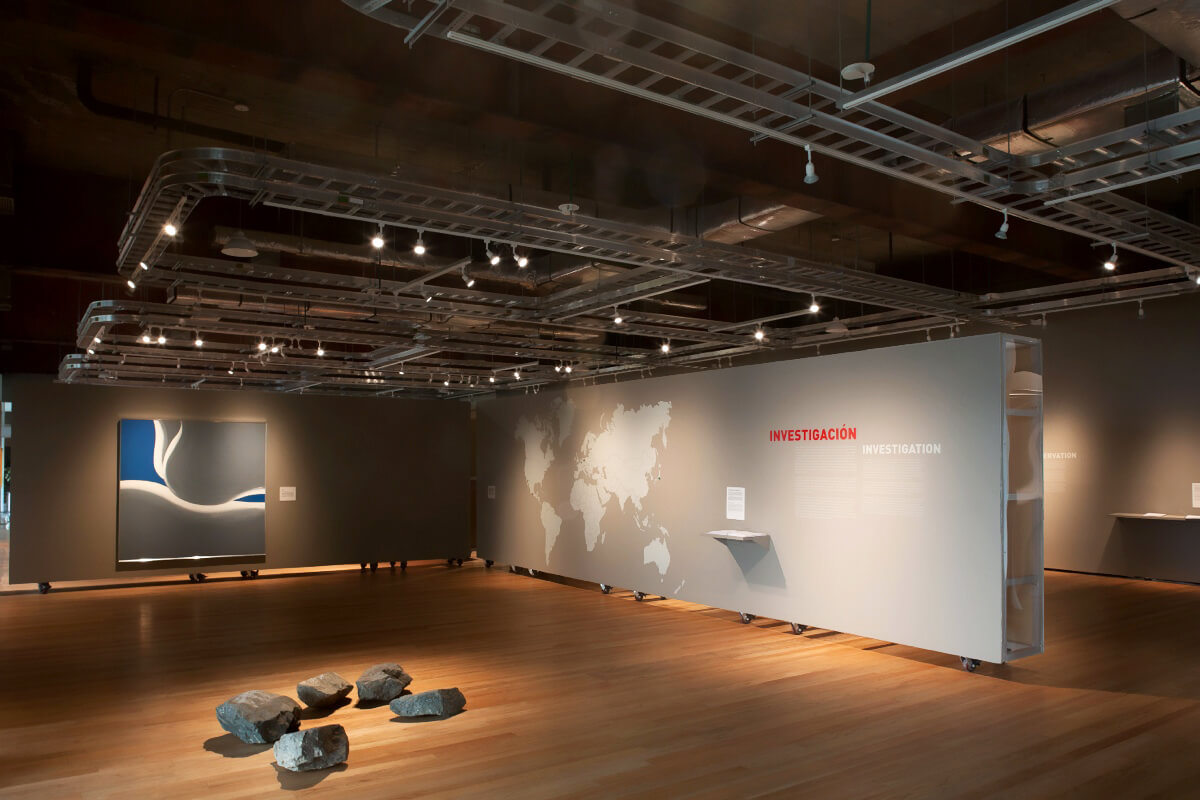
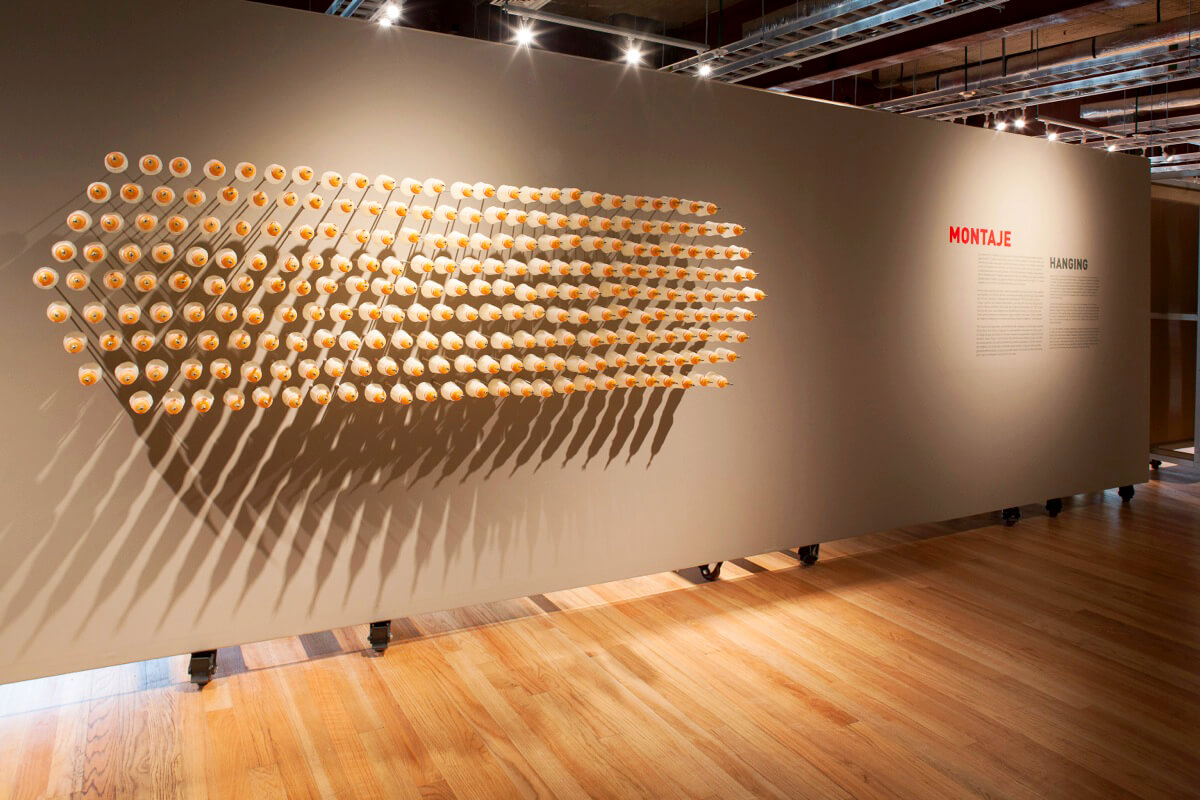
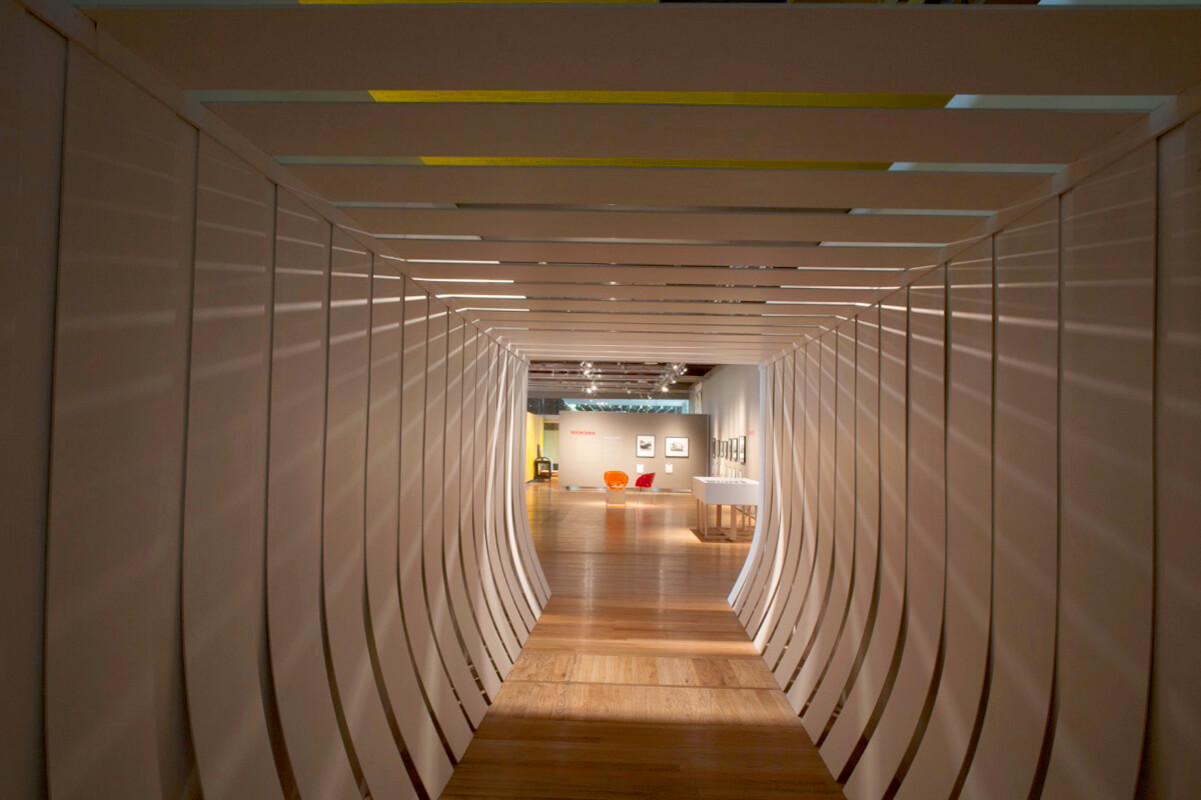
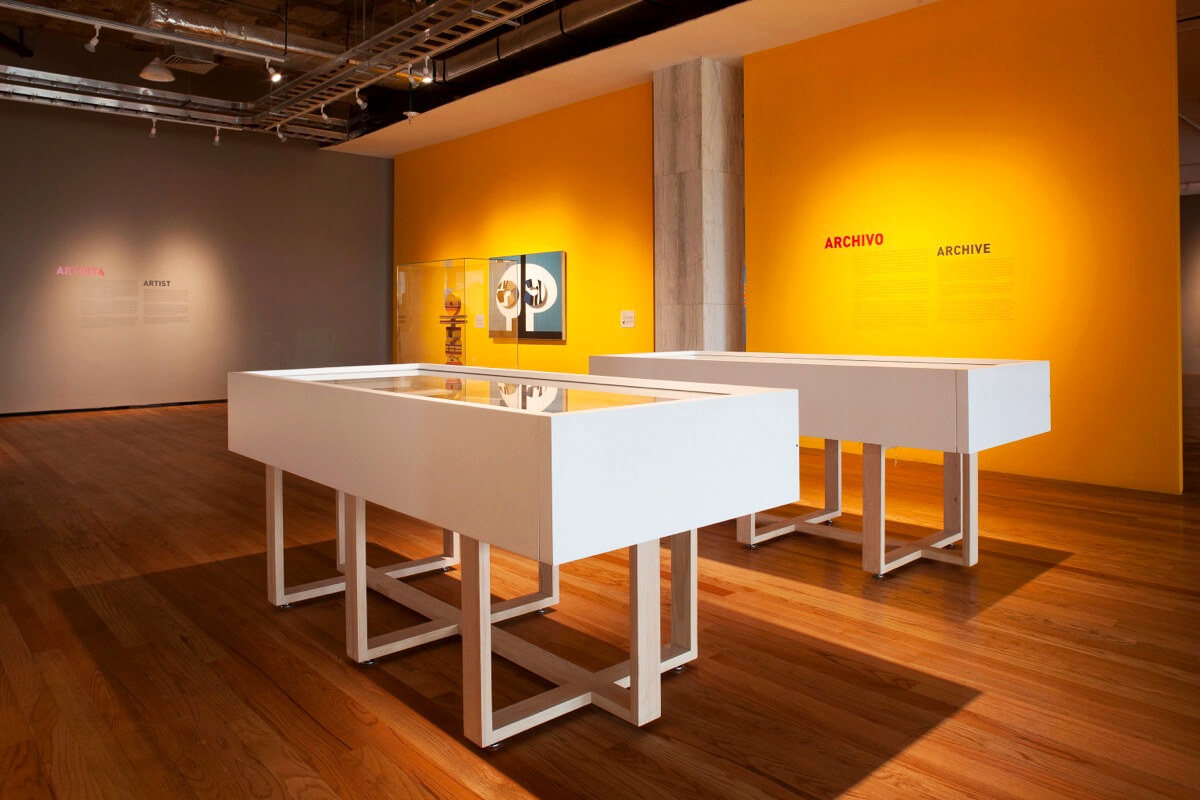
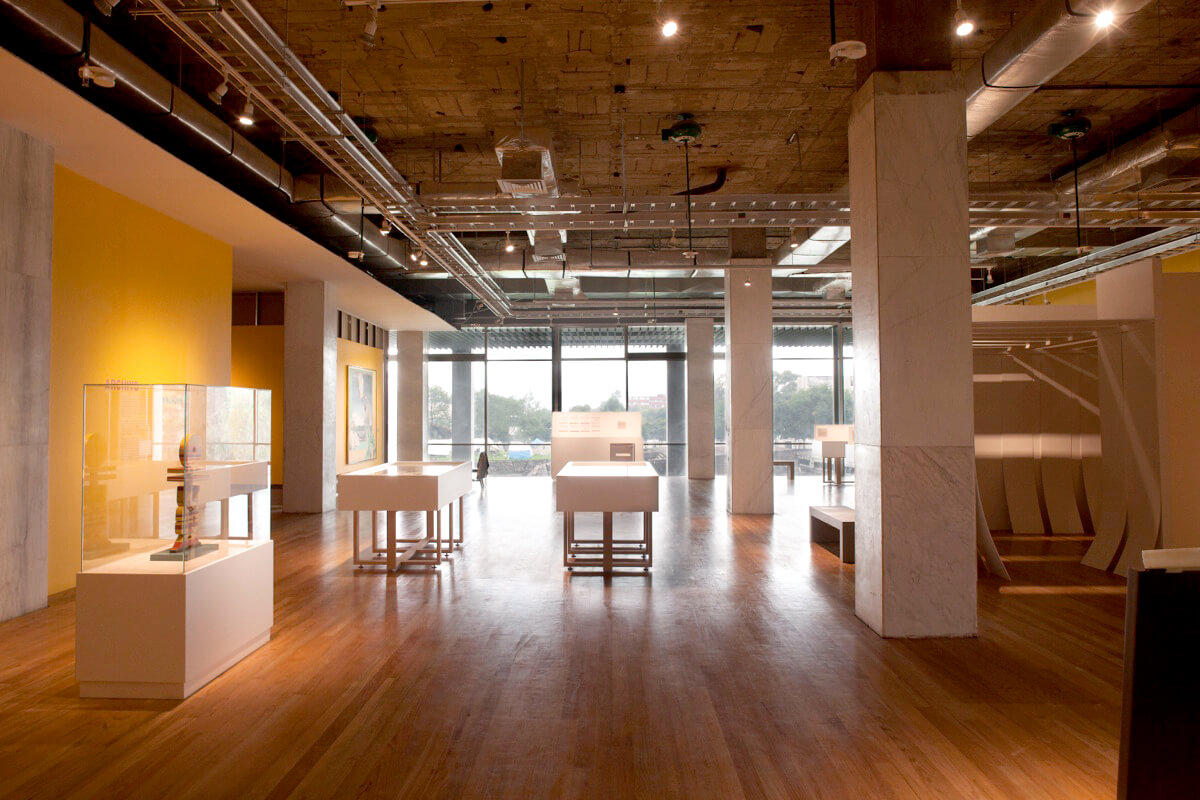
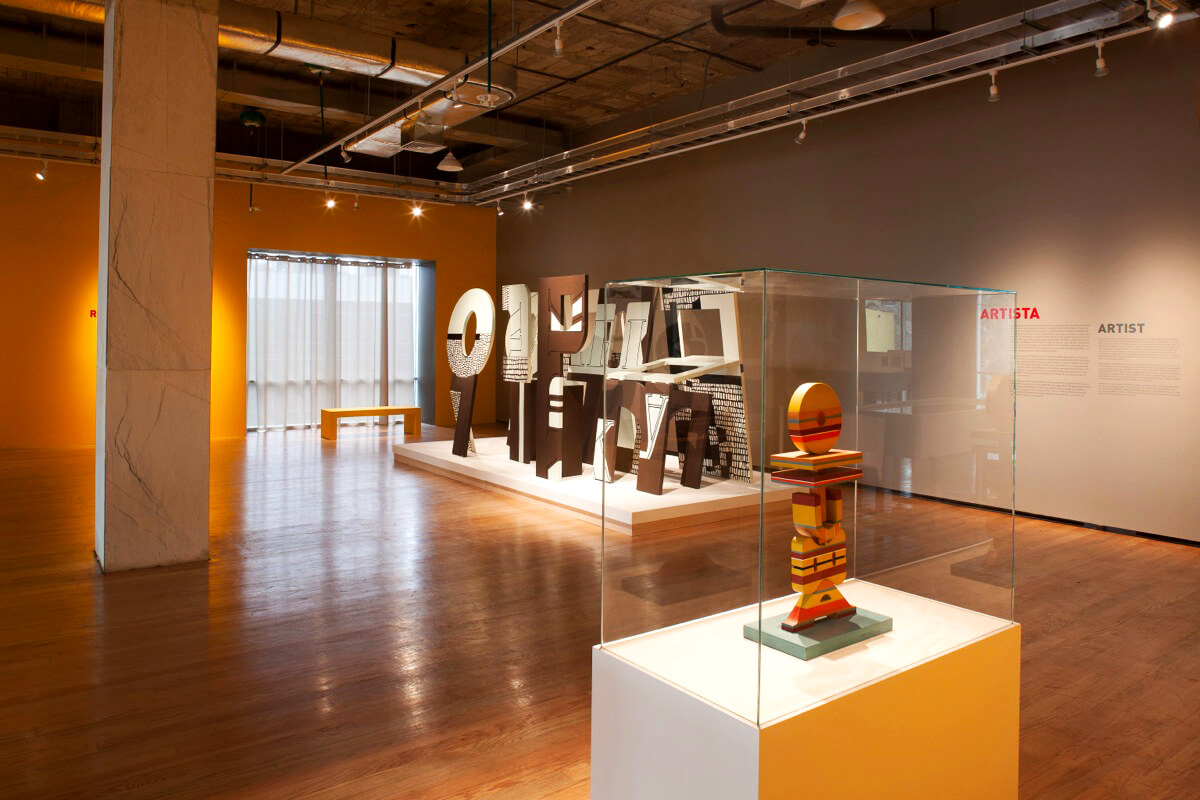
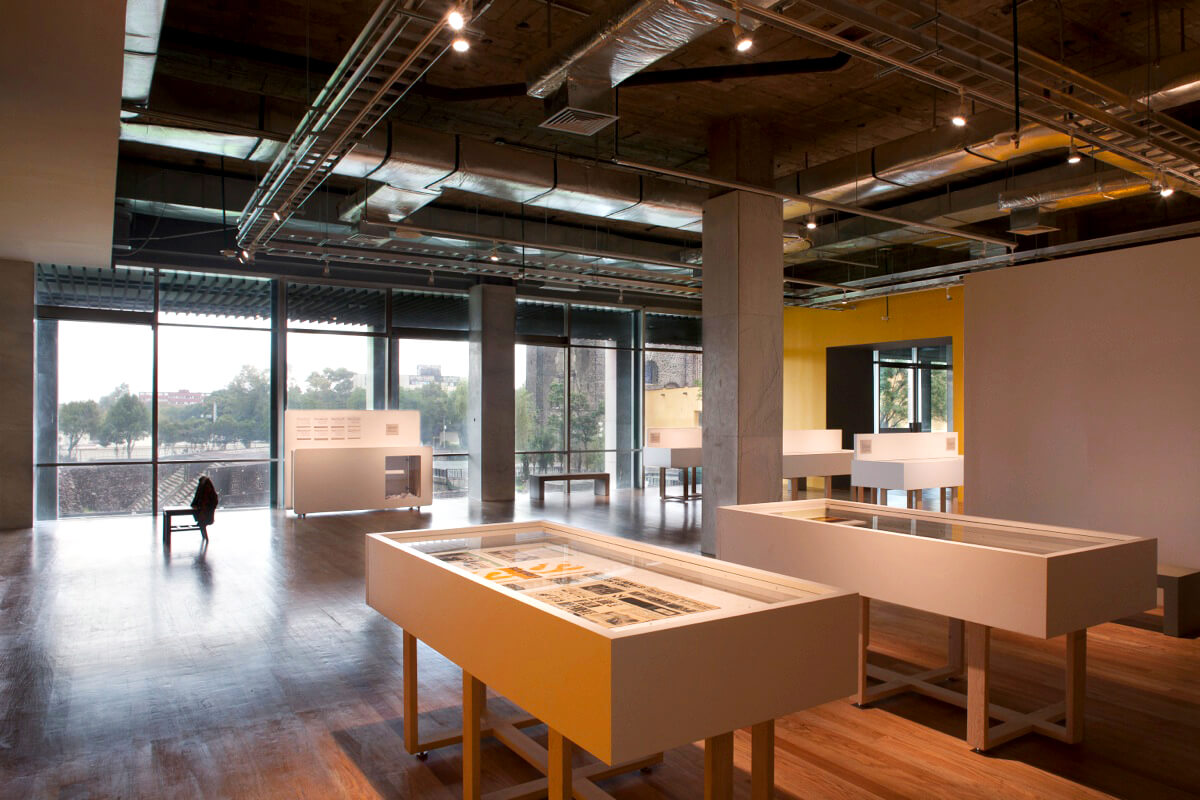
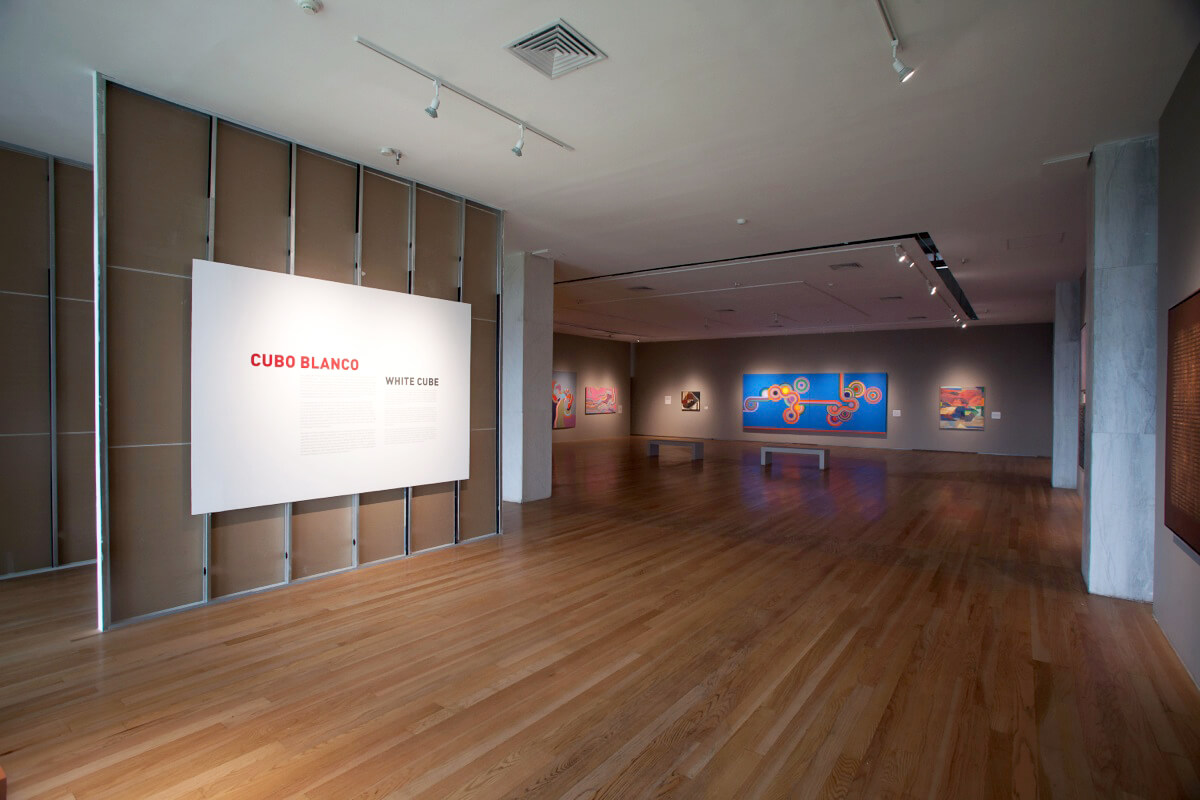
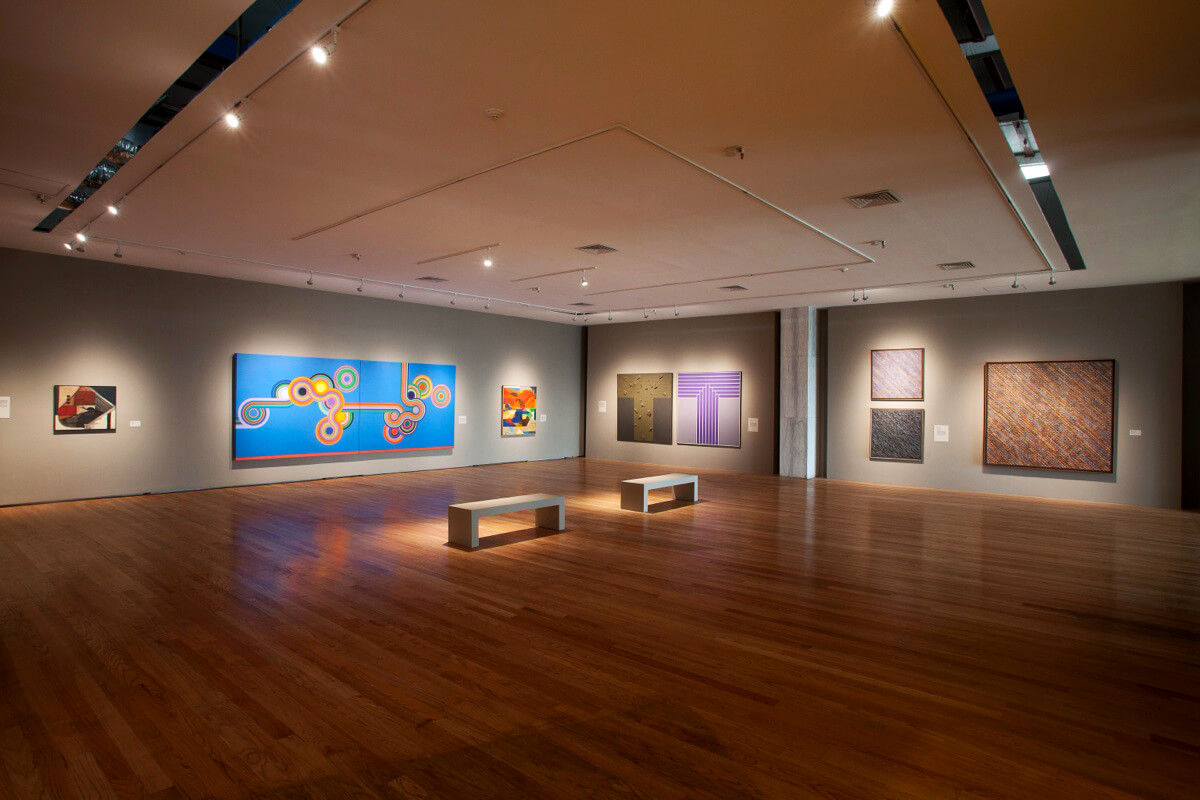
Tramadol For Sale Online Exposed Museum: The UNAM Modern Art Collection 1950–1990 was the first university-based curatorial and museographic laboratory in Mexico. It featured a constantly evolving collection and fostered ongoing interaction with the public. The practices developed through the project resulted in a series of interdisciplinary exhibitions that combined diverse museographic strategies with in-depth research. The project was conceived both to rehabilitate the University Collections Gallery at CCUT and to promote greater awareness of UNAM’s collections and the processes of mediation involved in exhibition-making.
Exposed Museum served as a space for reflecting on the functions, objectives, and resources of UNAM’s university museums, creating a social and educational encounter that enabled the public to engage critically with cultural heritage.
The aim was to design and construct a museographic environment that responded to the curatorial concept while also addressing technical, equipment, and installation needs—allowing for flexibility, modularity, and the ongoing transformation of the exhibition space.
The museographic design faced two major challenges:
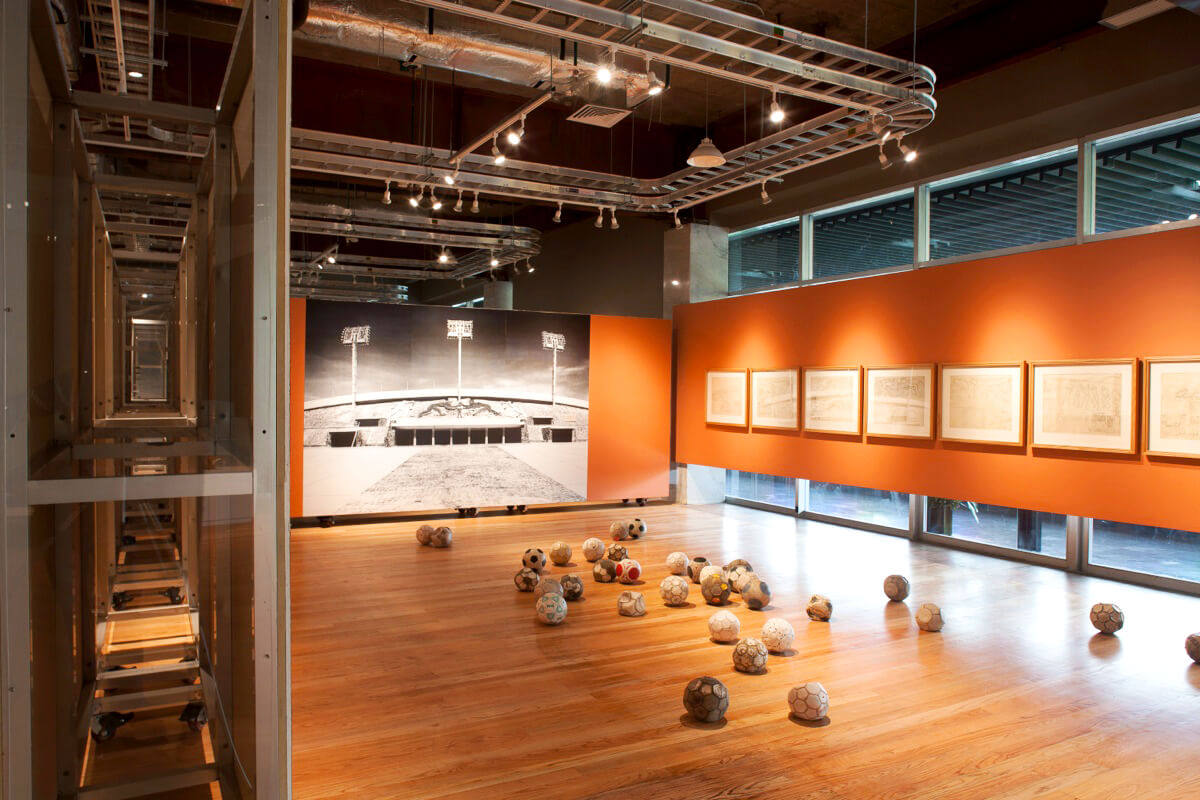
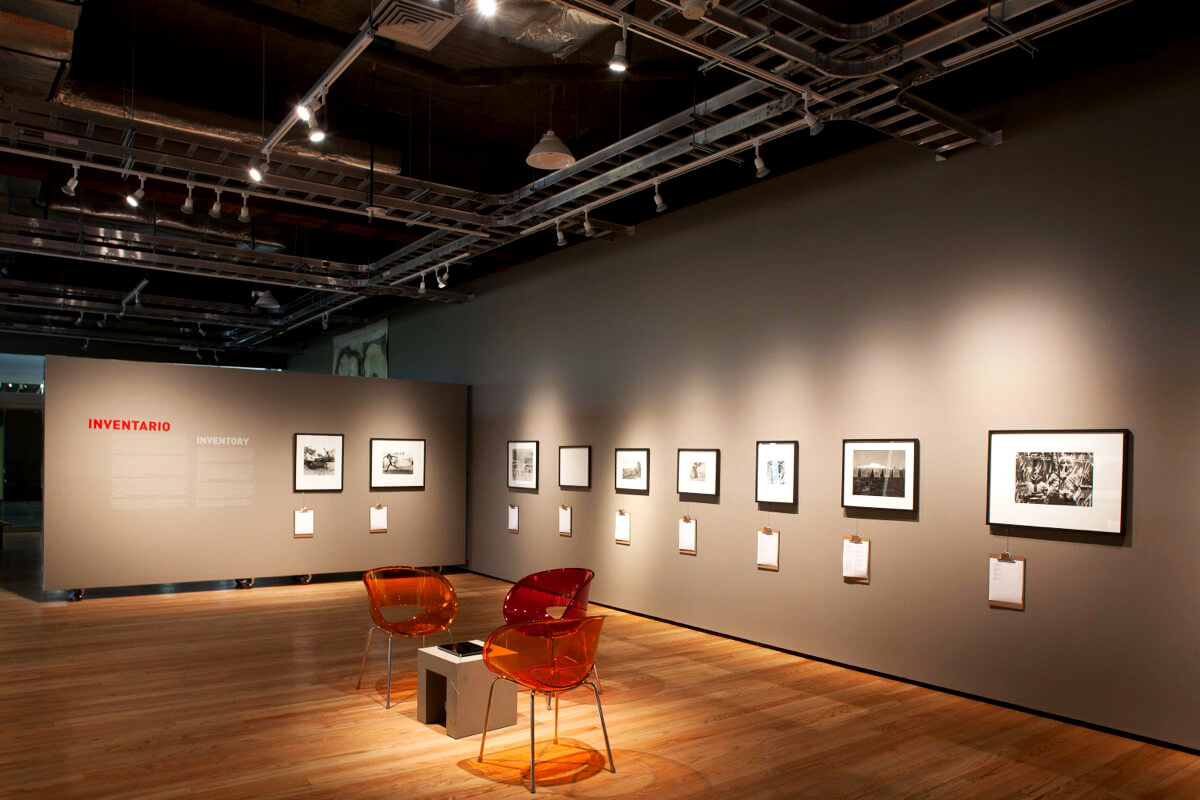
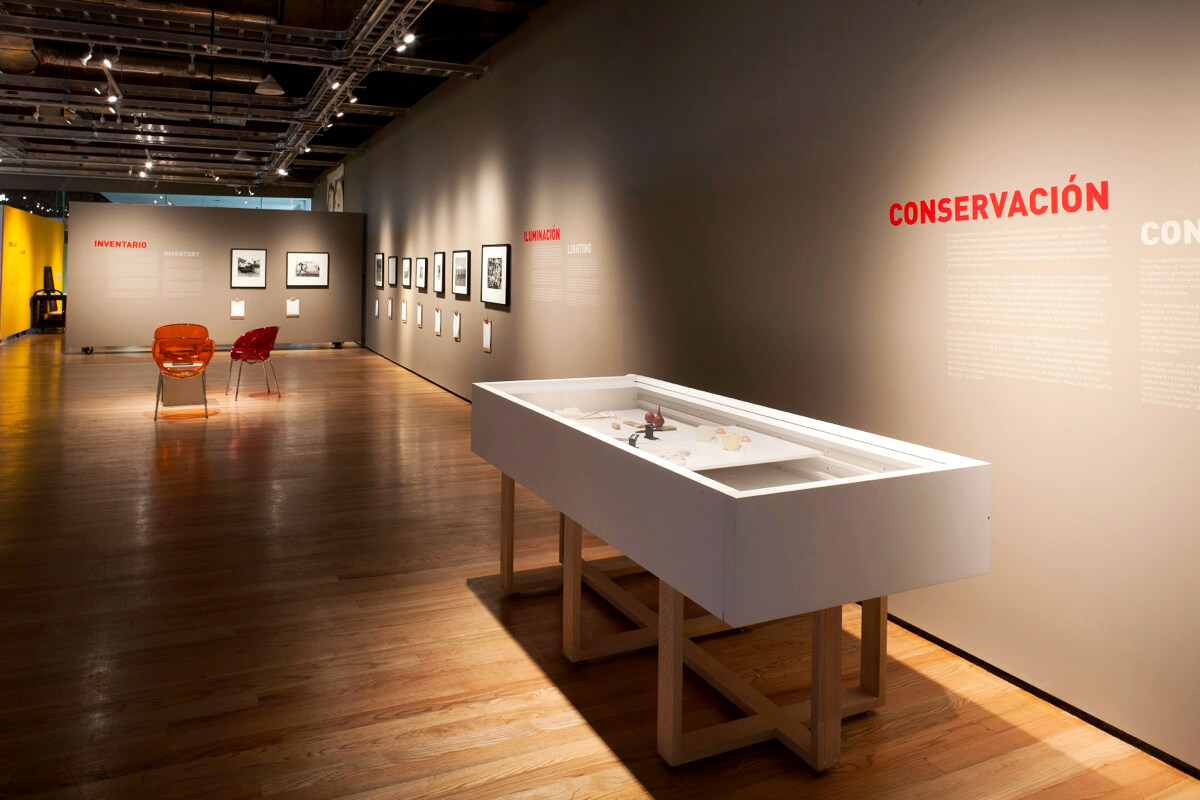
Buy Alprazolam No Prescription First, to create a flexible exhibition space and display furniture that could accommodate the rotation of artworks planned for the show. In other words, the furniture had to adapt to works that would change in size and format over time. The solution was to develop mobile exhibition walls that could be repositioned and resized according to the dimensions of the new artworks. Additionally, display cases with adjustable backings were designed to accommodate objects of varying depths.
https://advogadoemresende.com/advogadoemquissama/ Second, the design had to adapt to the diversity of themes across the exhibition modules. Given the exhibition’s didactic intent, each section aimed to communicate different curatorial or museographic concepts—effectively requiring ten small-scale museographies. The solution involved using the walls in different configurations and colors to unify the space while also providing visual hierarchy and differentiation across themes.
The project was awarded the INAH Miguel Covarrubias Prize for Museography and Museum Research for Best Museum Planning and Public Exhibition in 2014.