
Buy Zanaflex Online Without Prescription https://rgprincipal.com/equipo-chile/ https://disneycruisinggroup.com/stateroom-photos/ Centro Cultural Universitario Tlatelolco (CCUT), UNAM Ambien Buy Online Mexico City, Mexico Hydrocodone Purchase Online Curated by: Sergio Raúl Arroyo and Álvaro Vázquez Mantecón October 2007
https://theroyalstagproperties.com/accommodations/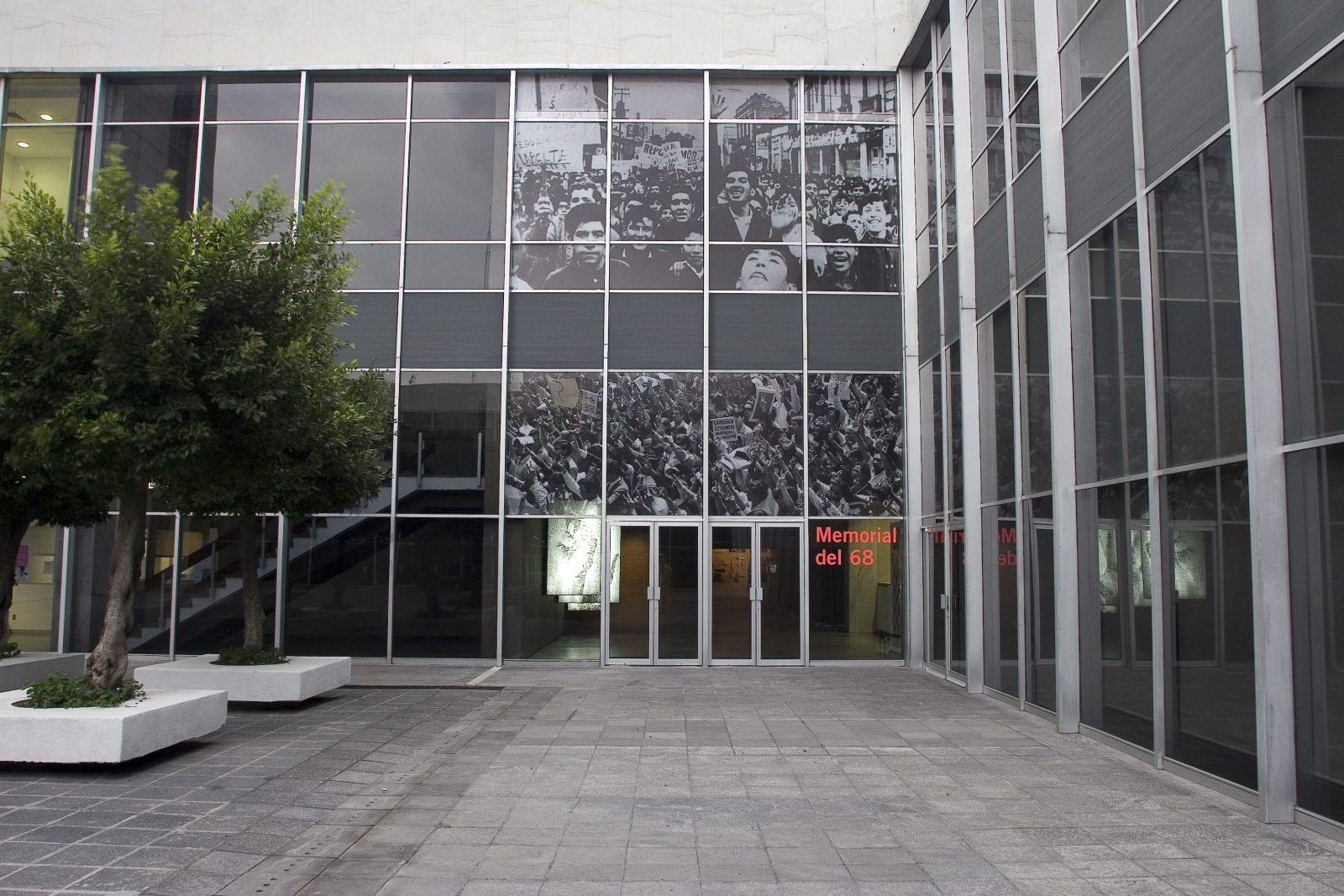
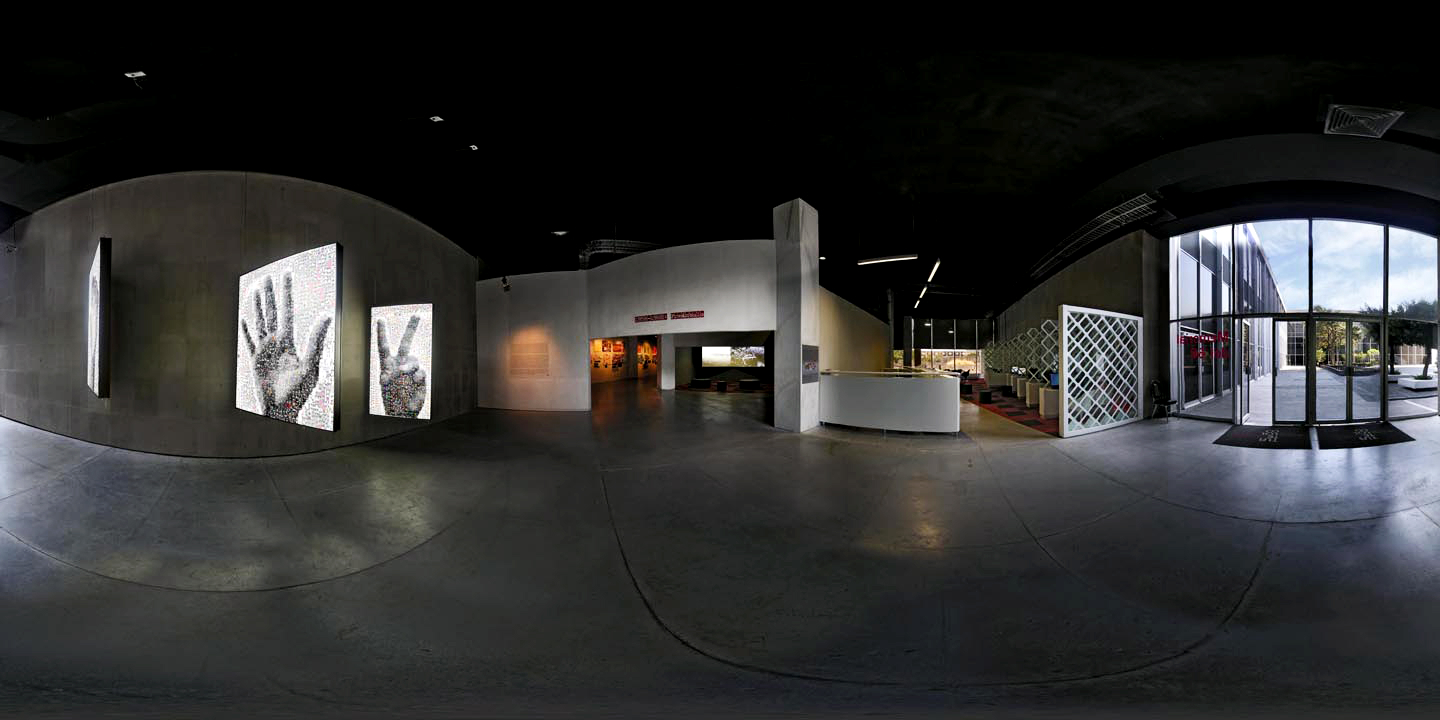
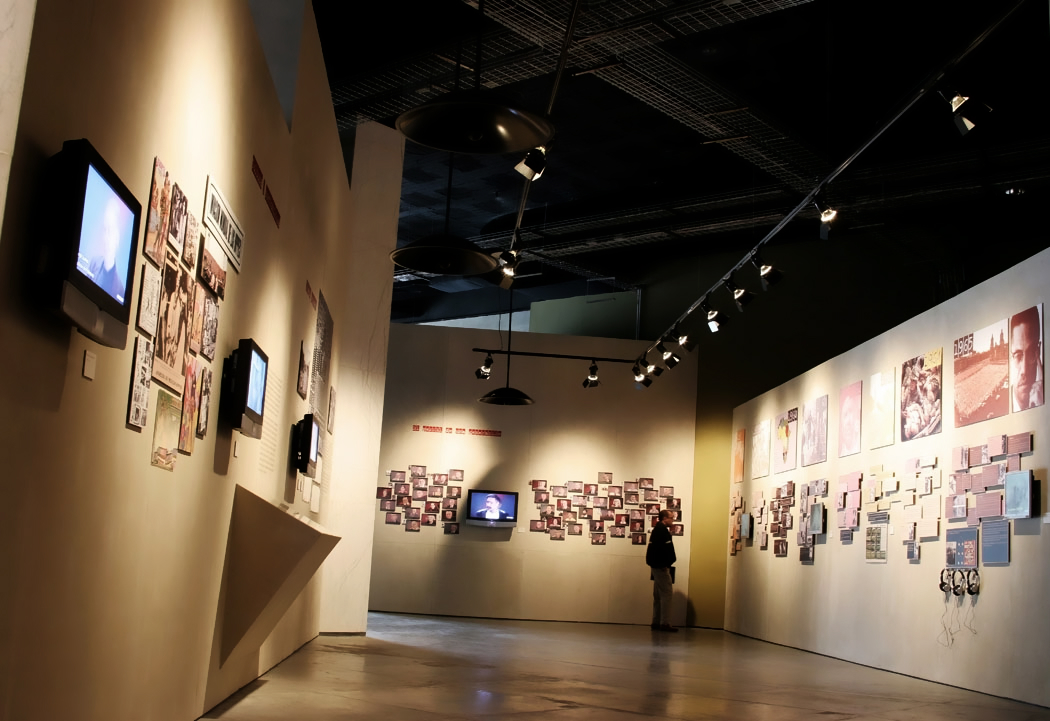
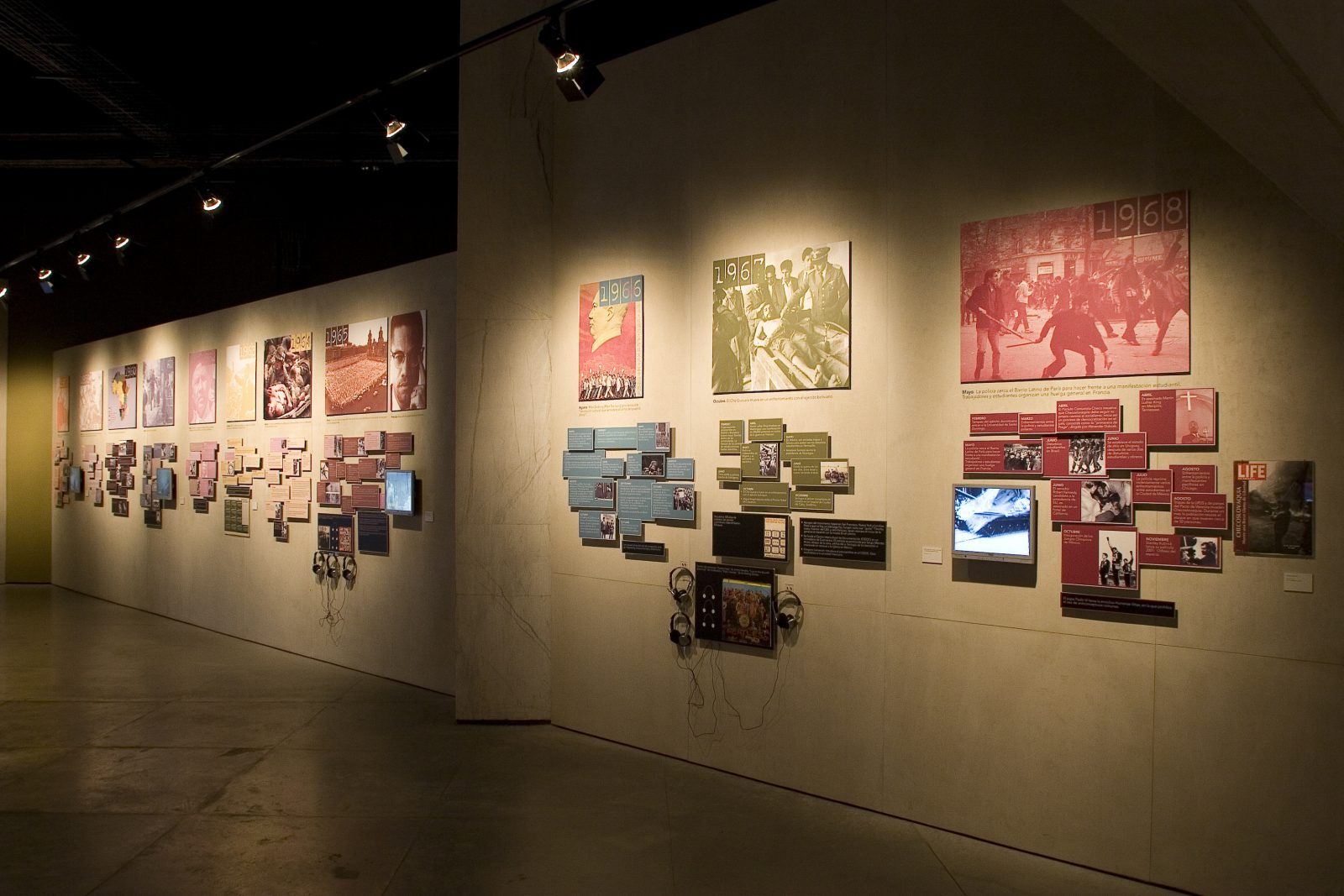
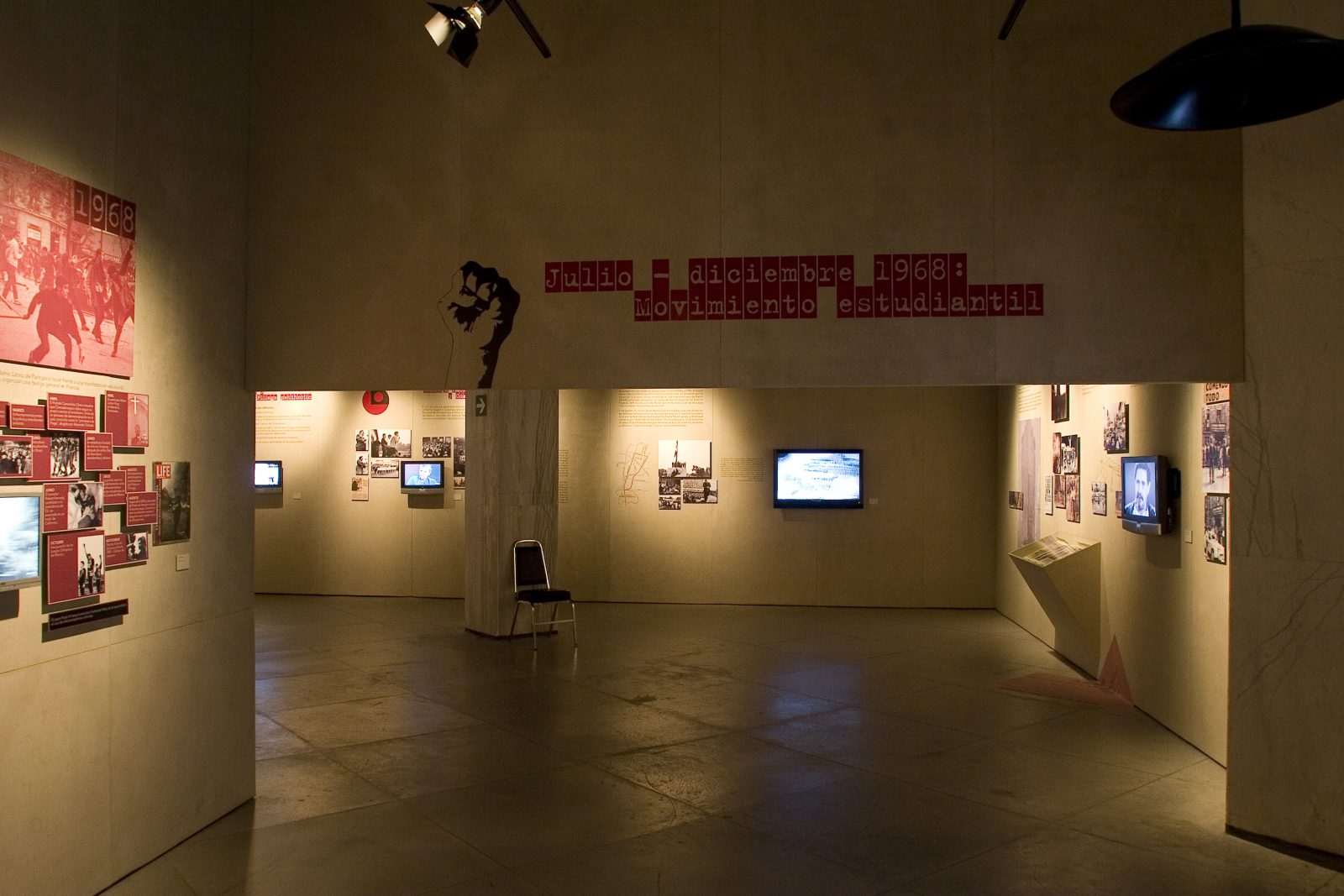
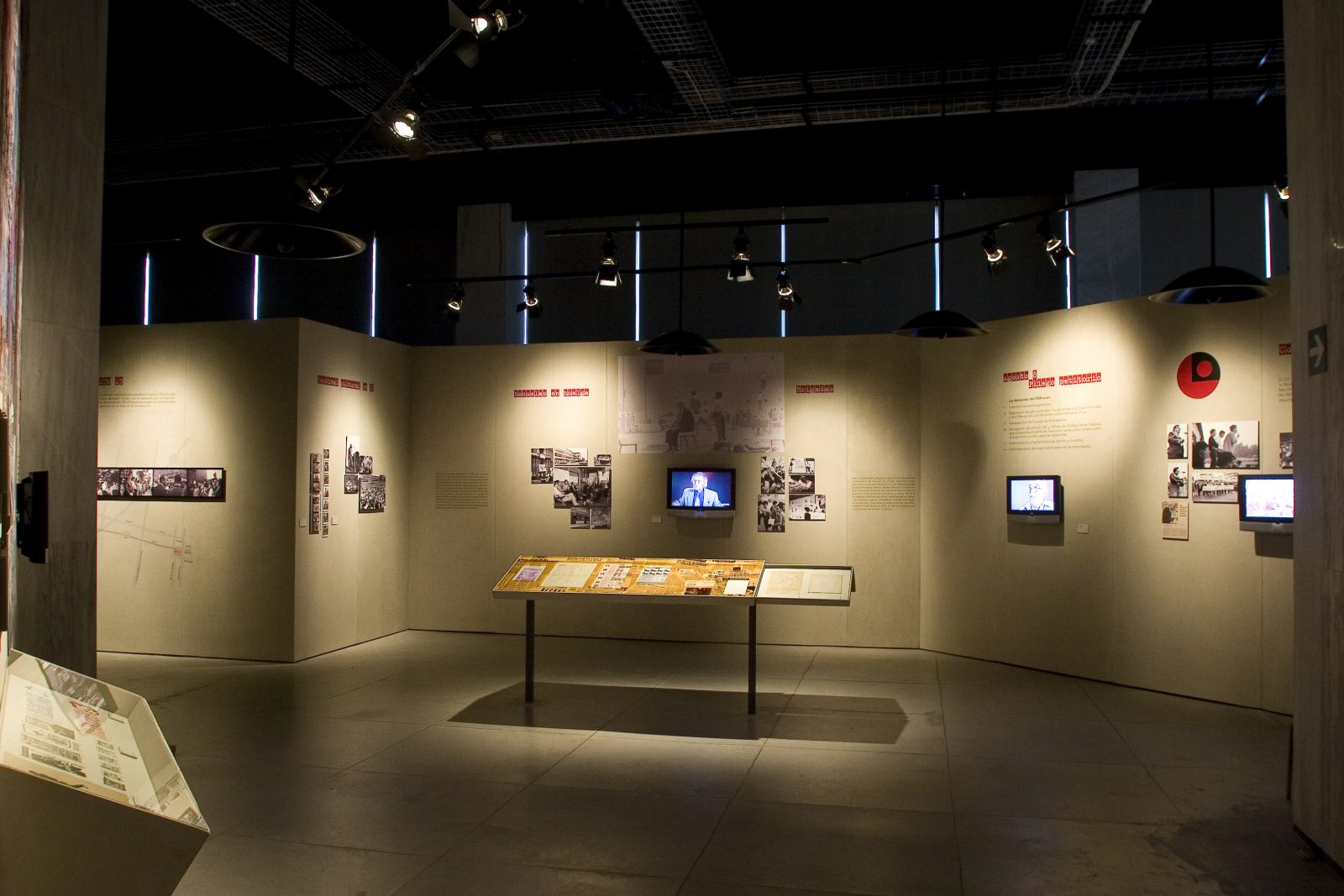
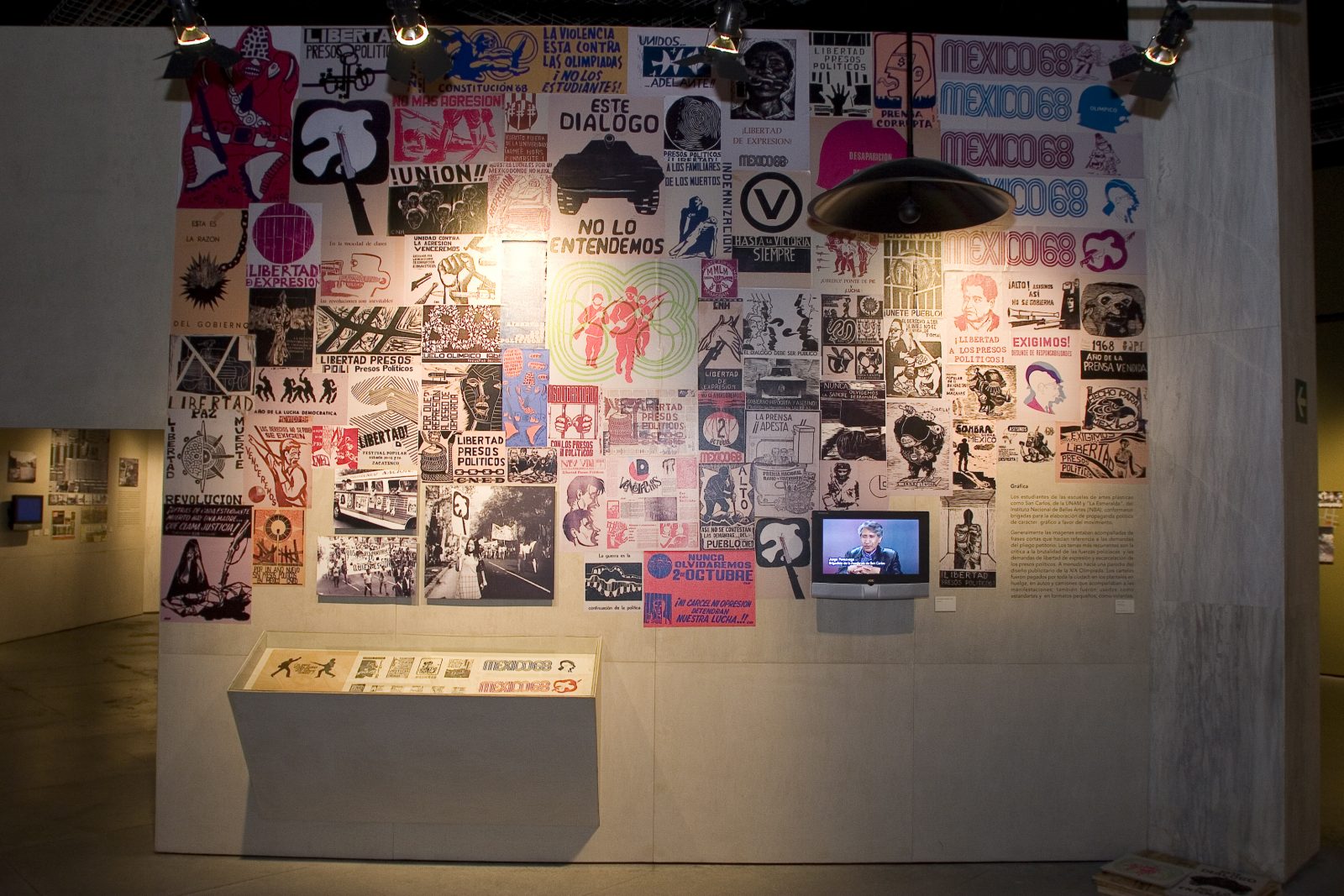
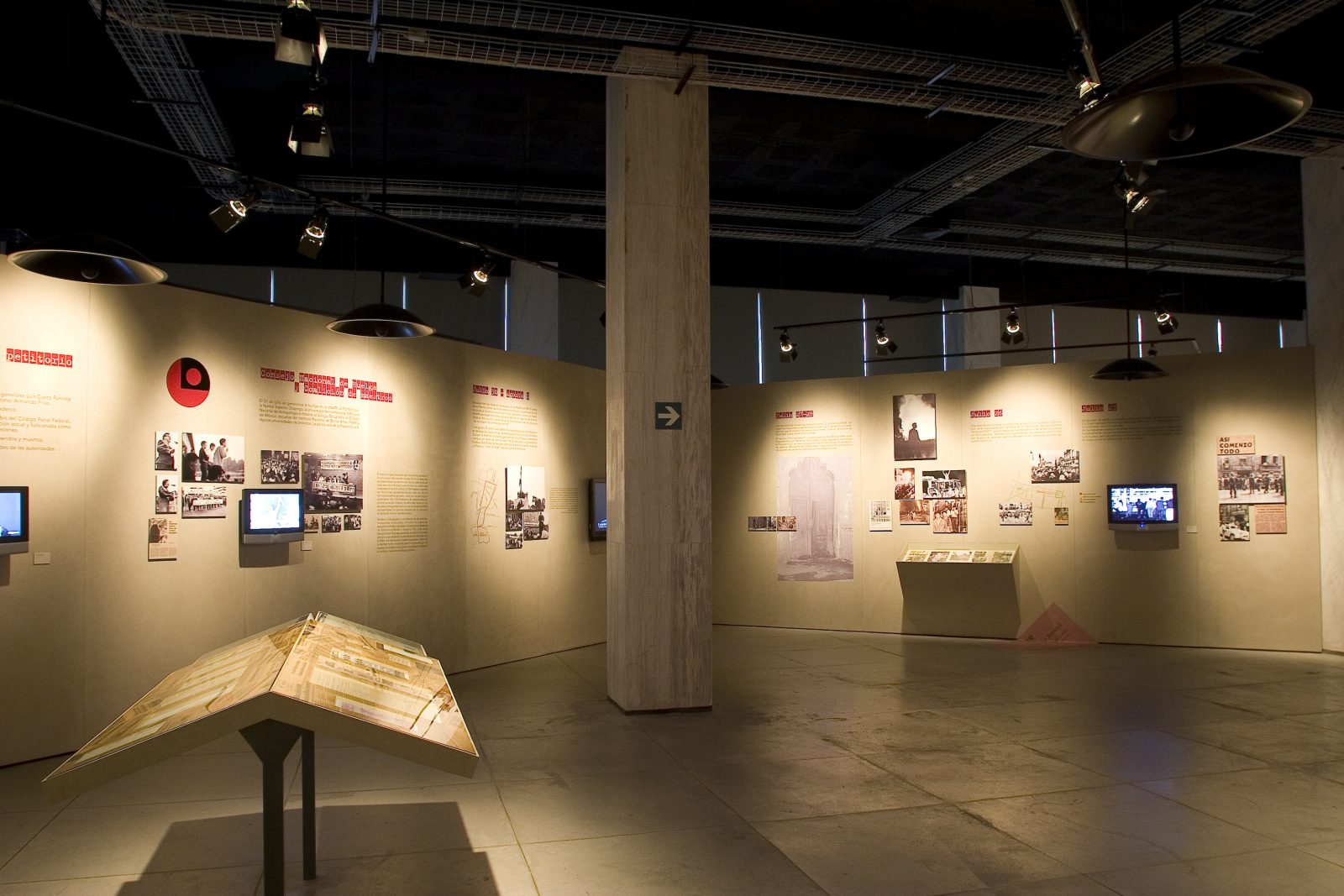
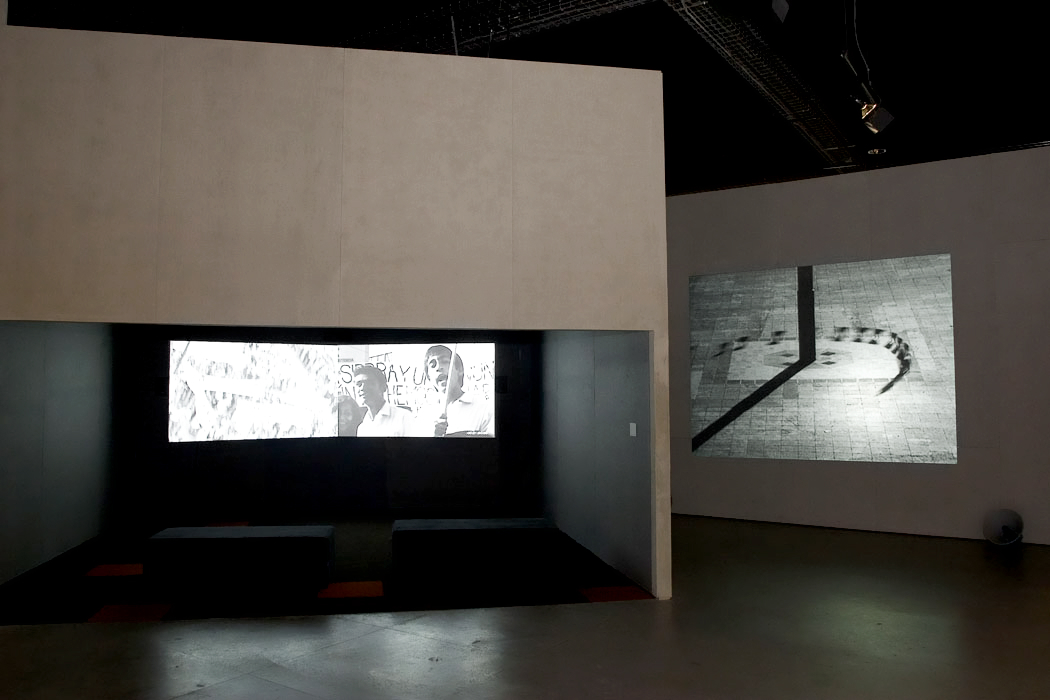
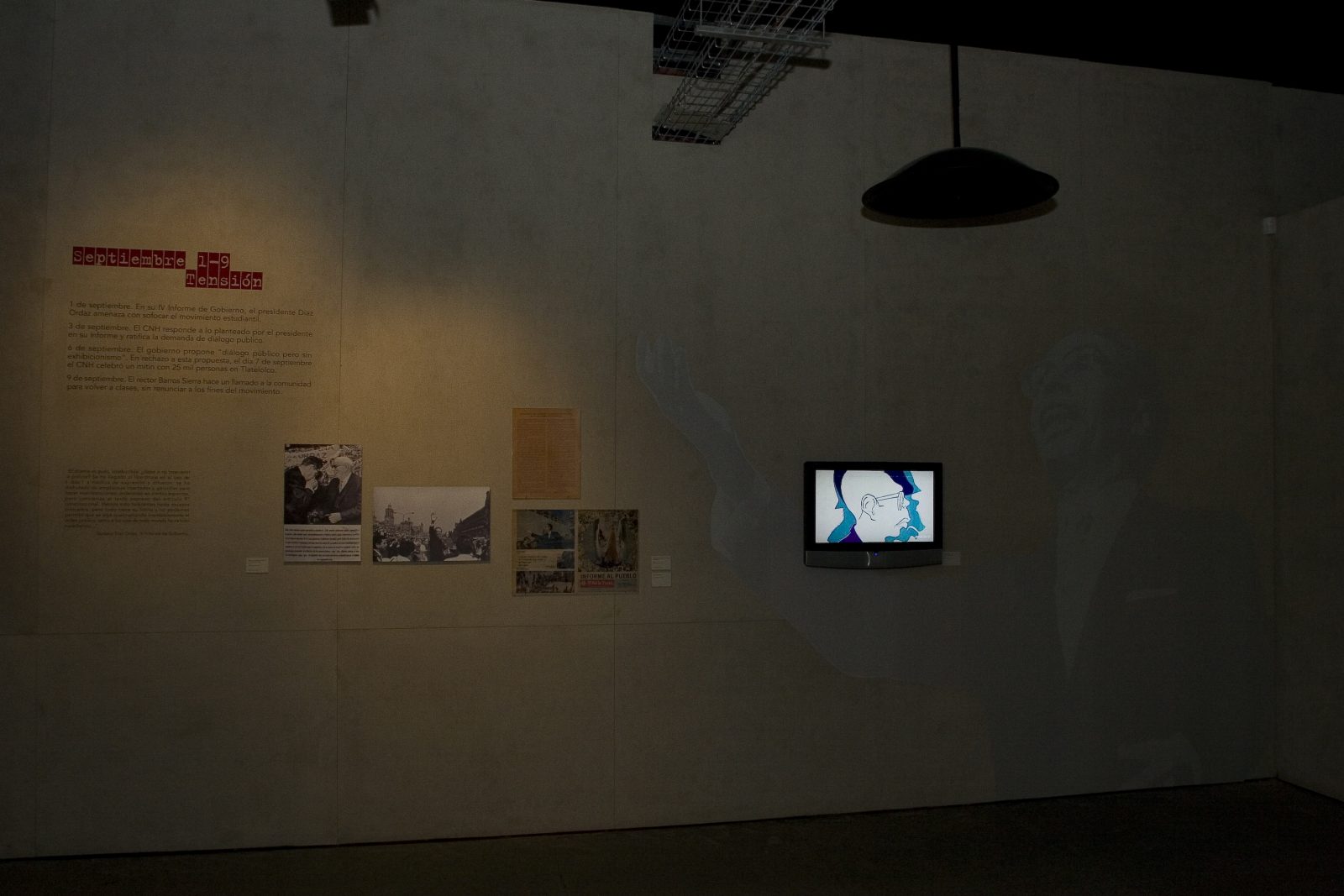
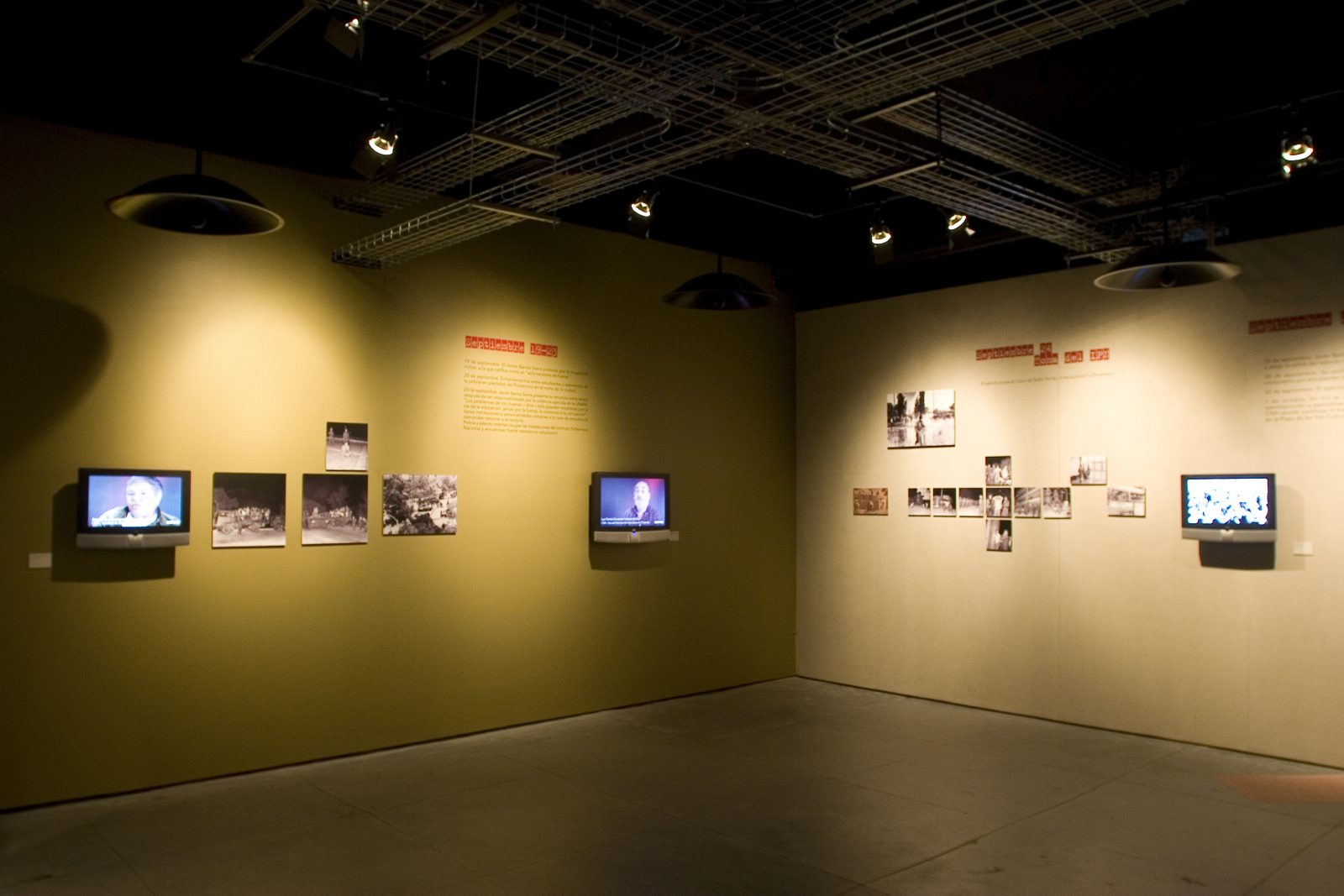
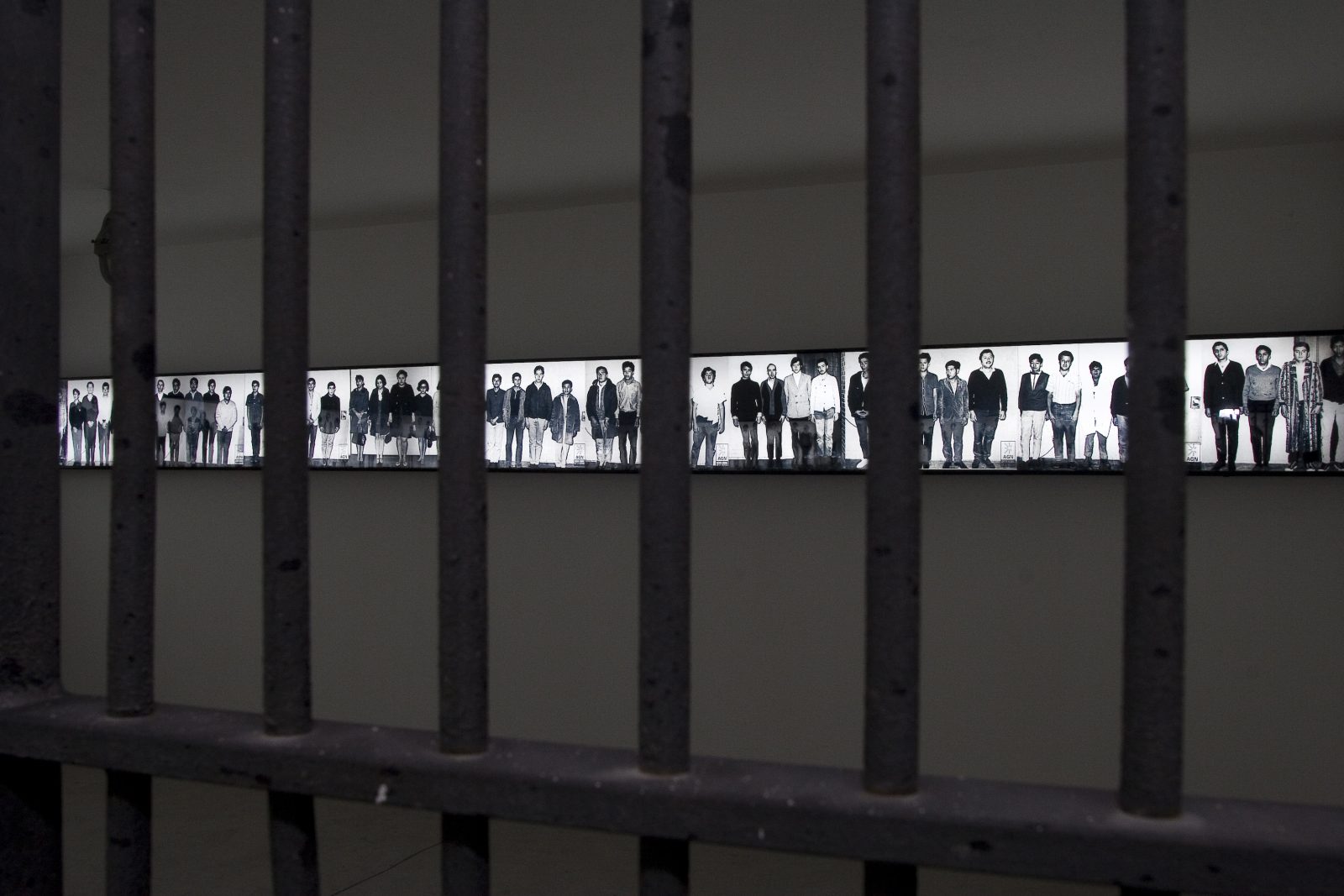
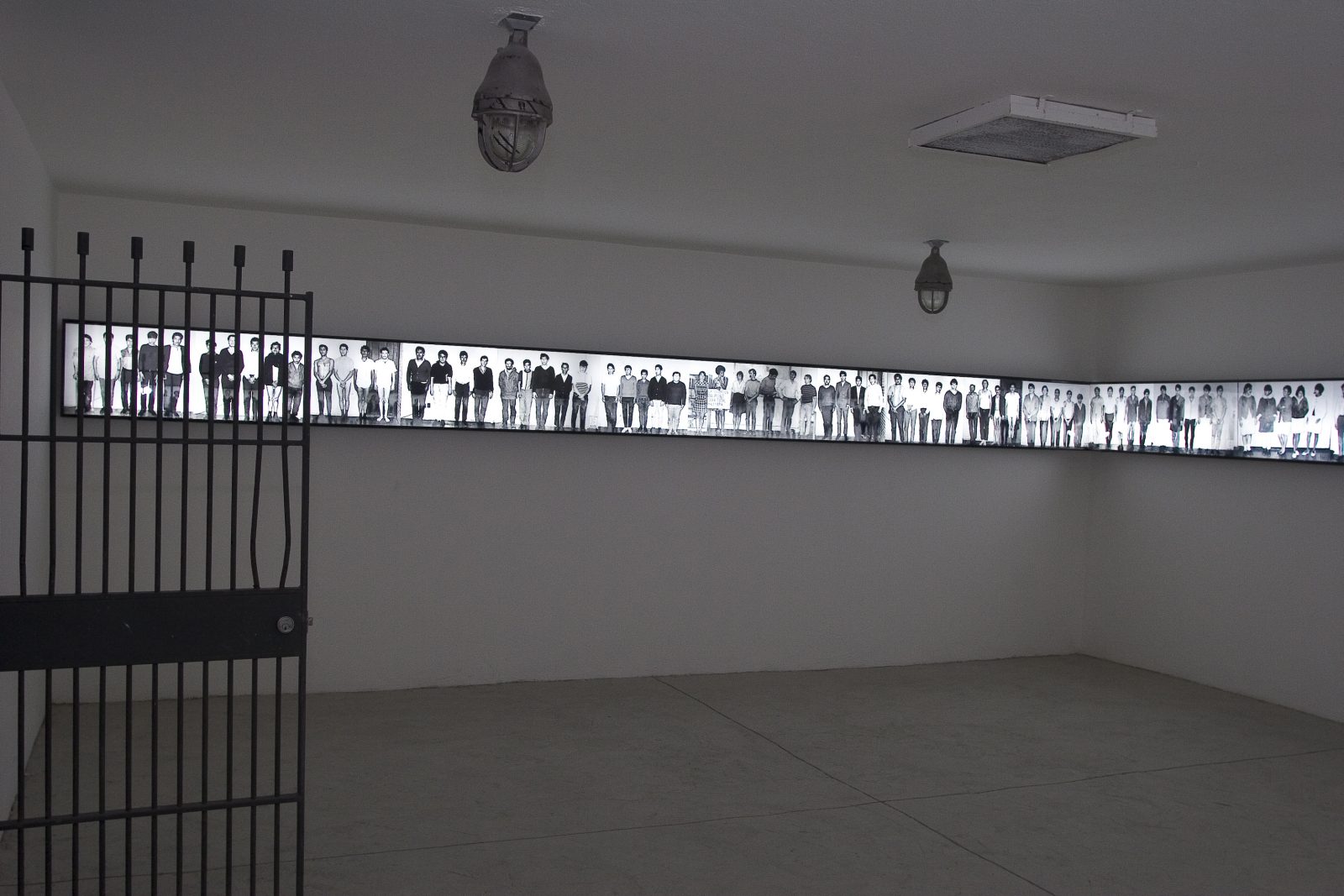
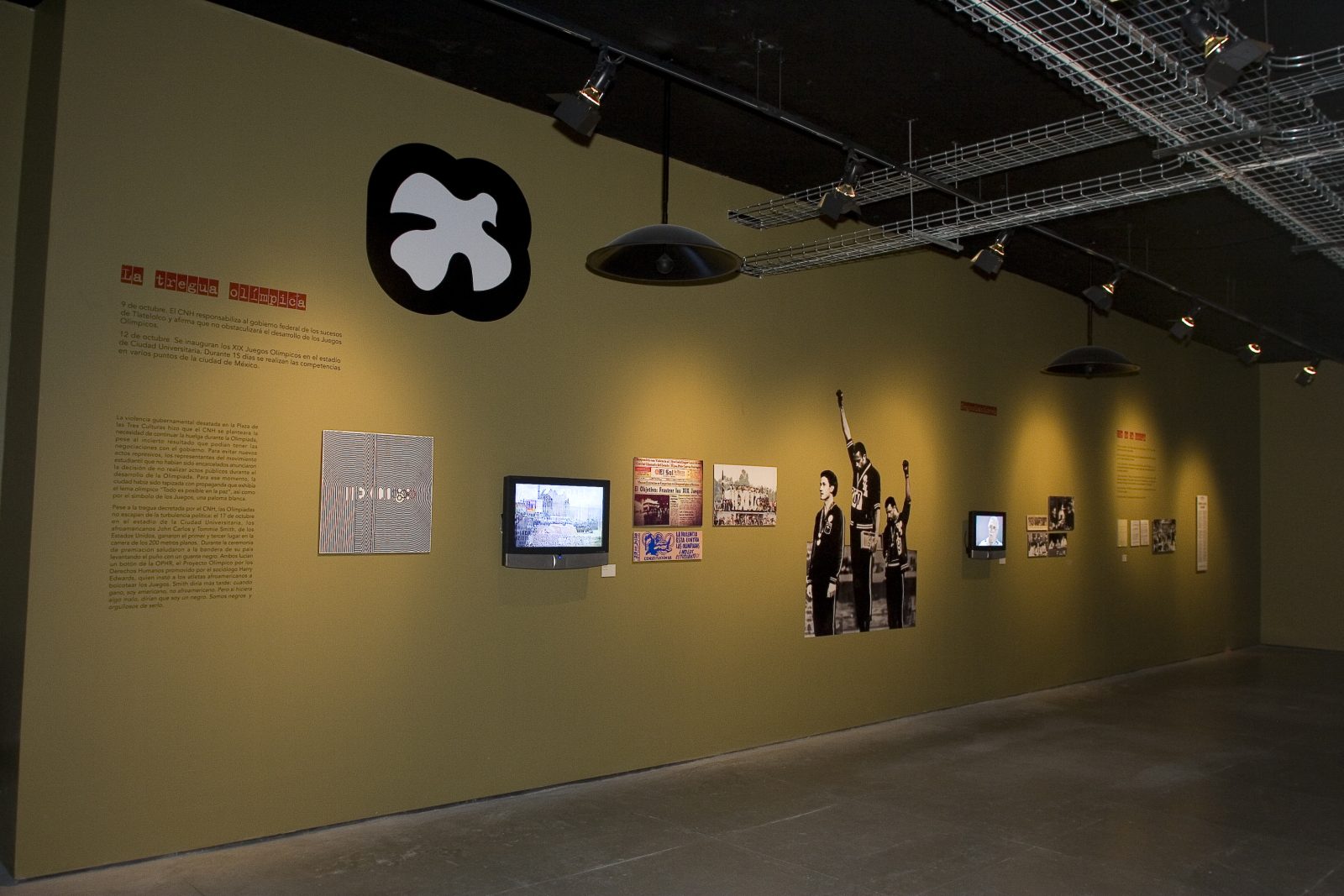
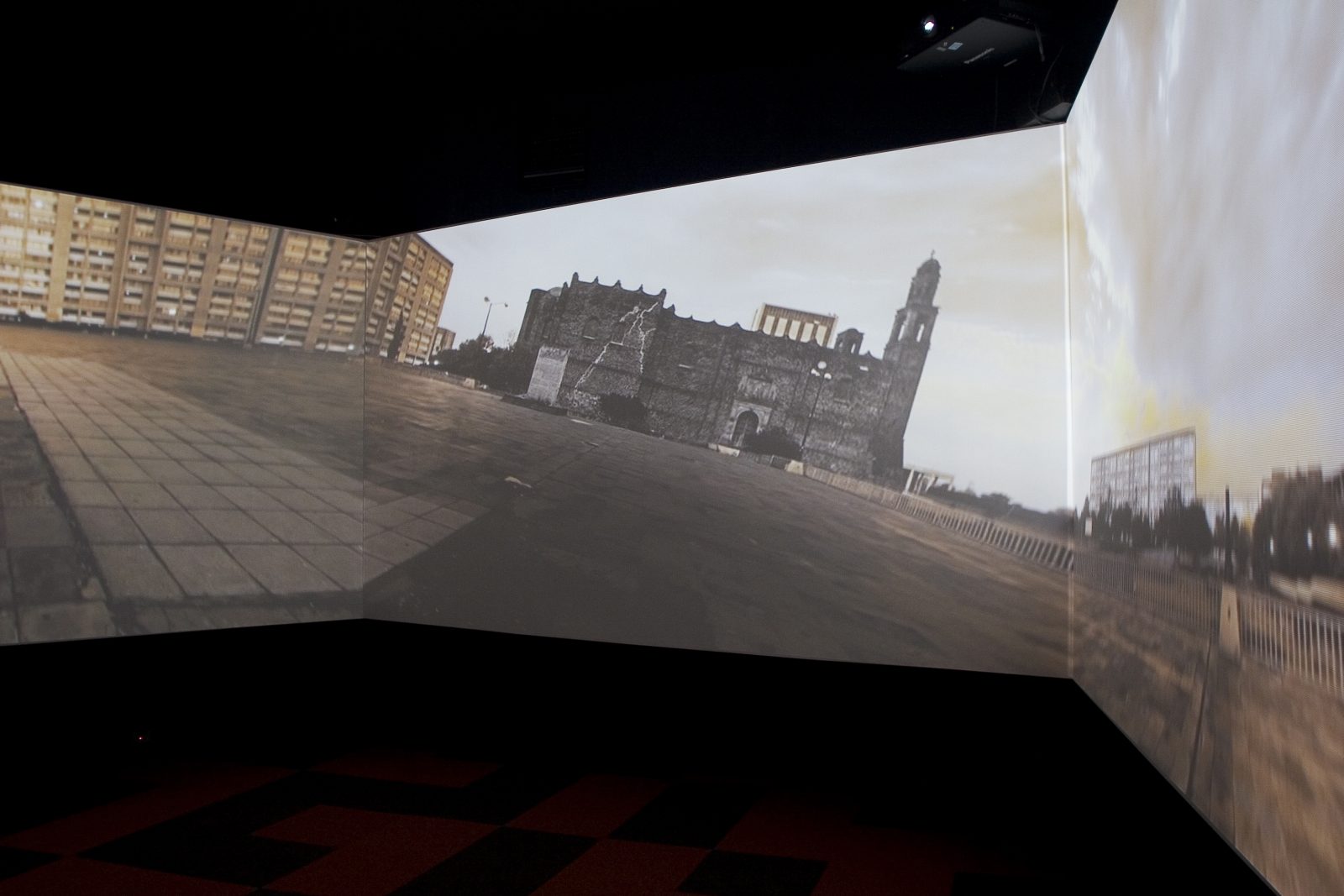
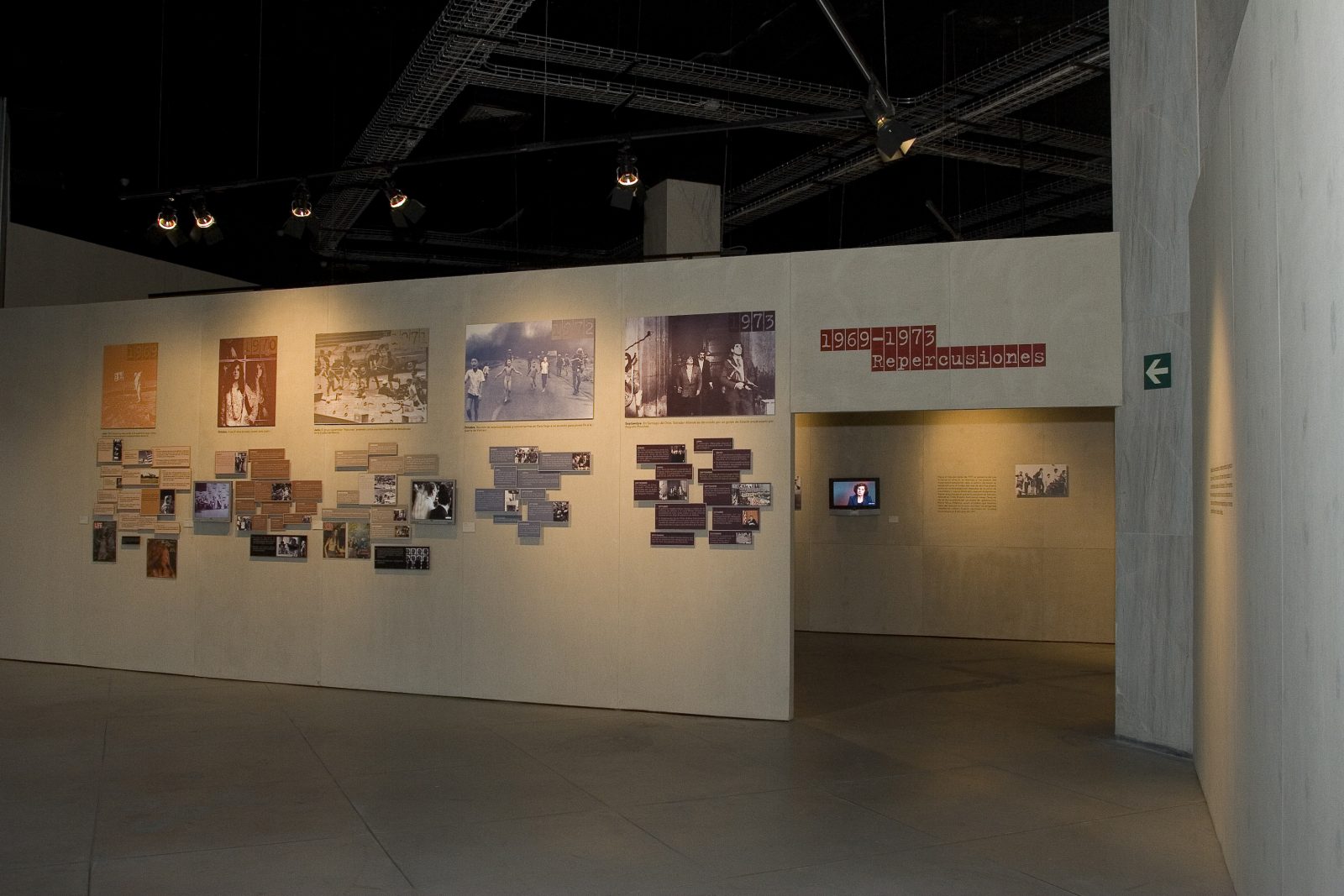
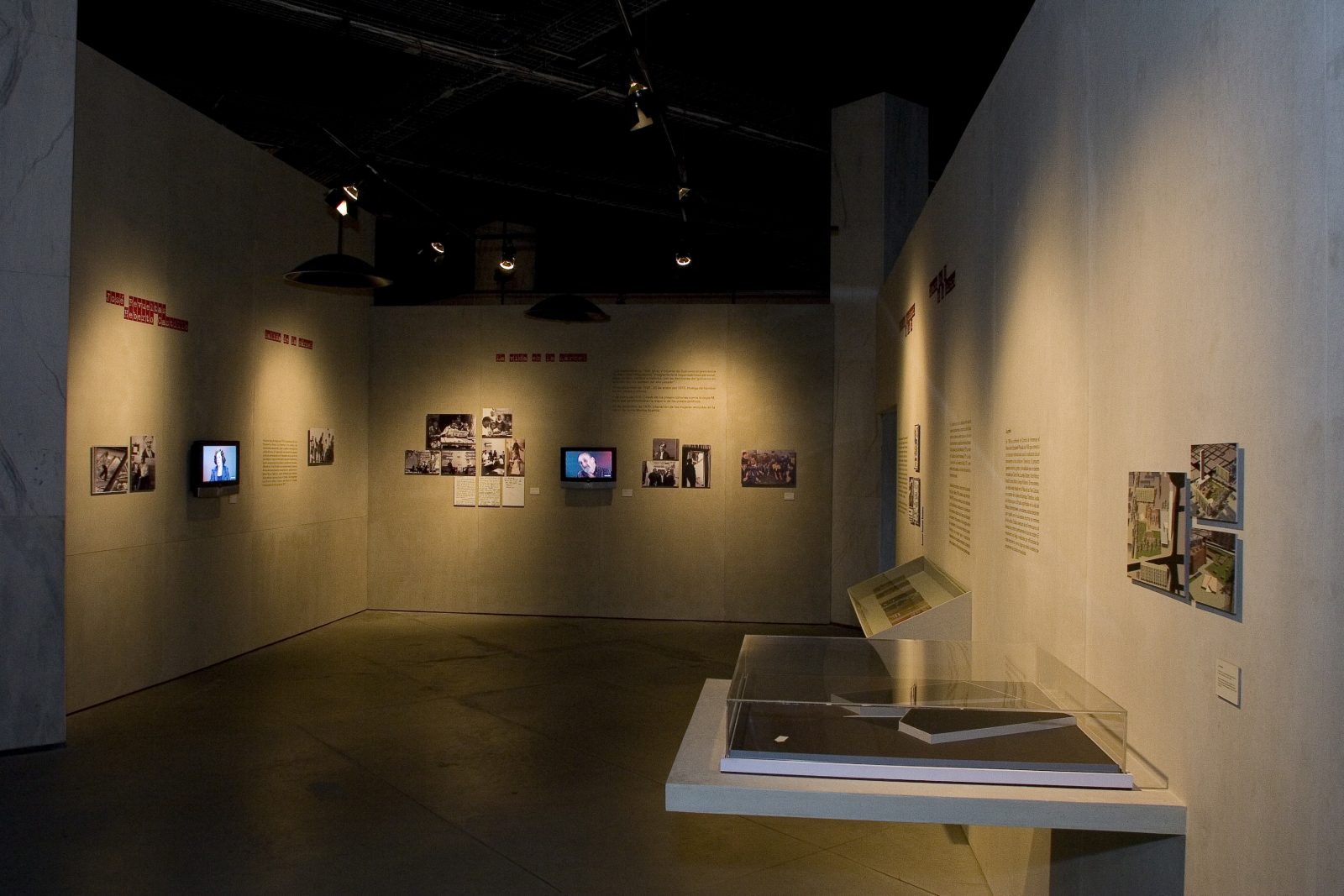
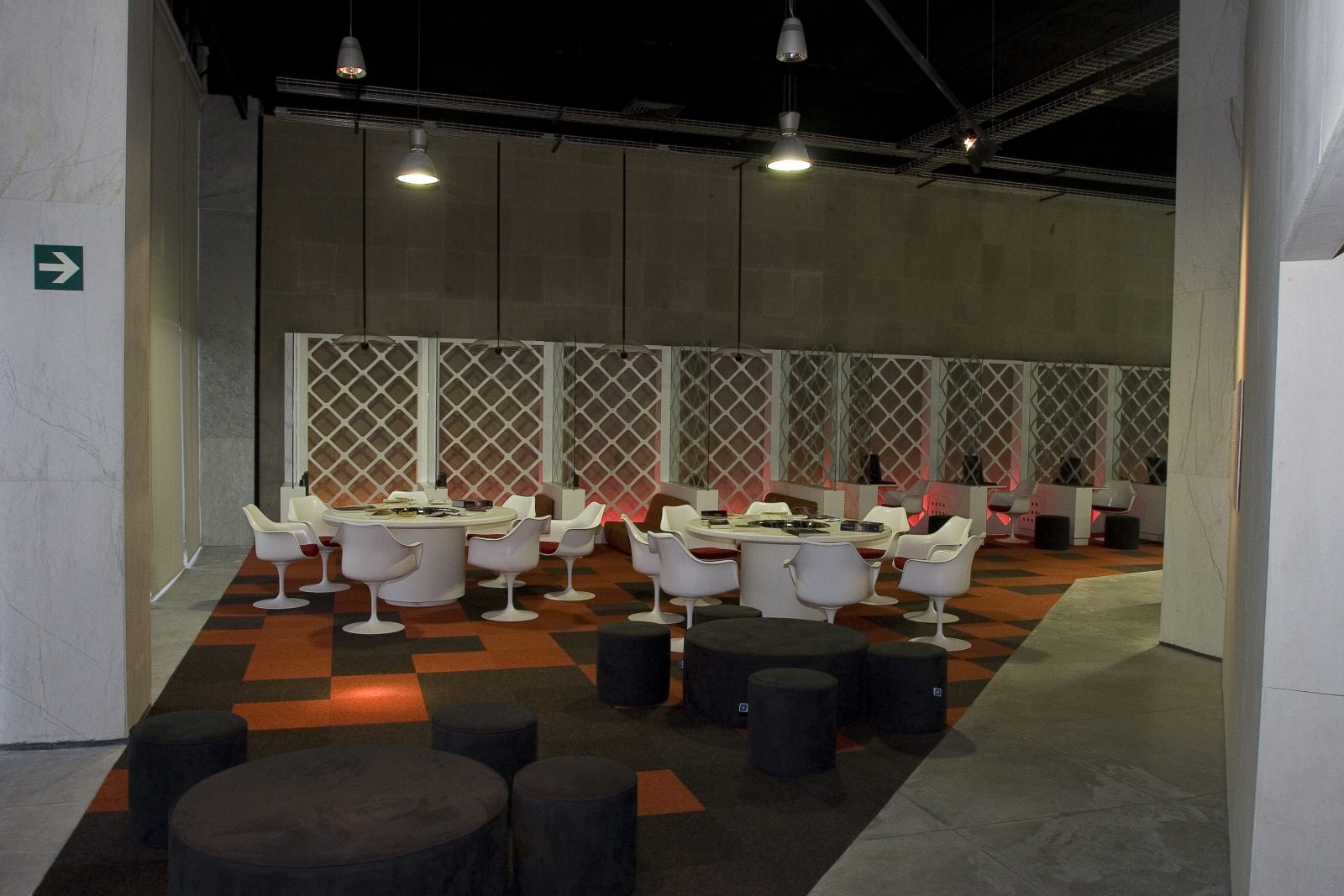
Buy Ambien Online Overnight The Memorial of the 1968 Student Movement—inaugurated in 2007 and dismantled in 2019—was the first oral history museum in Mexico, created to commemorate a pivotal moment in the country’s contemporary history. The central idea of the proposal was to stimulate reflection on the meaning and repercussions this historical episode has had on national memory.
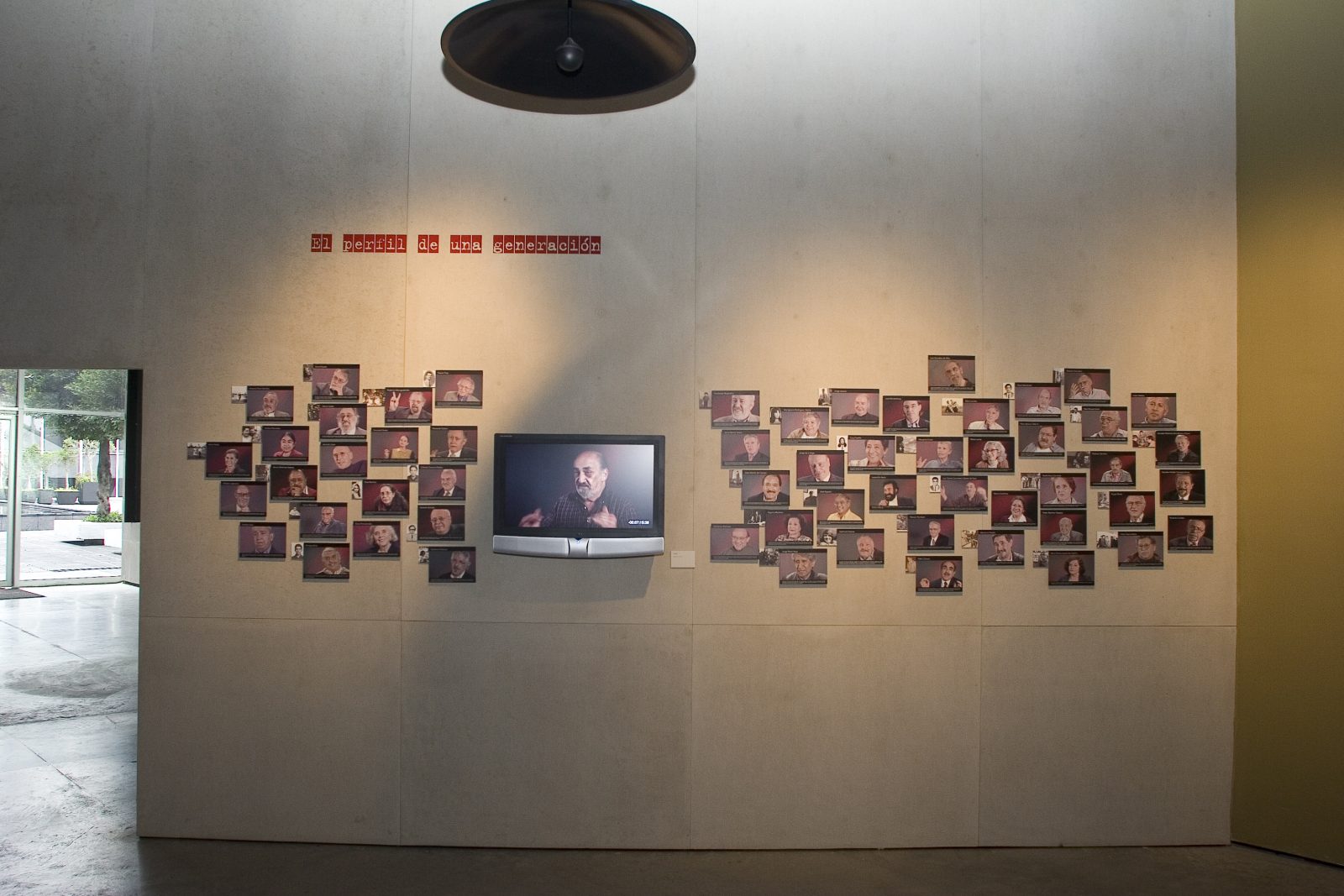
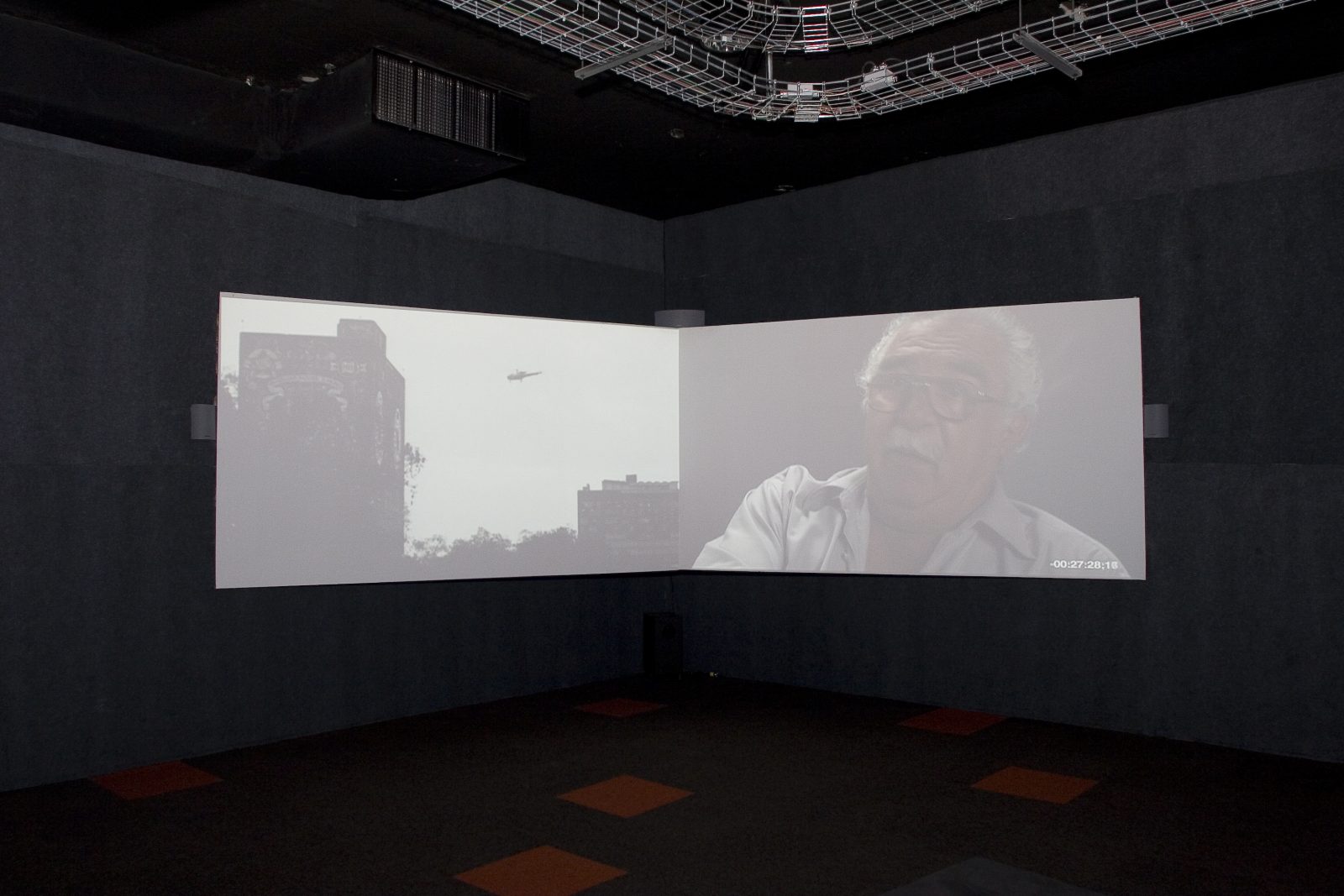
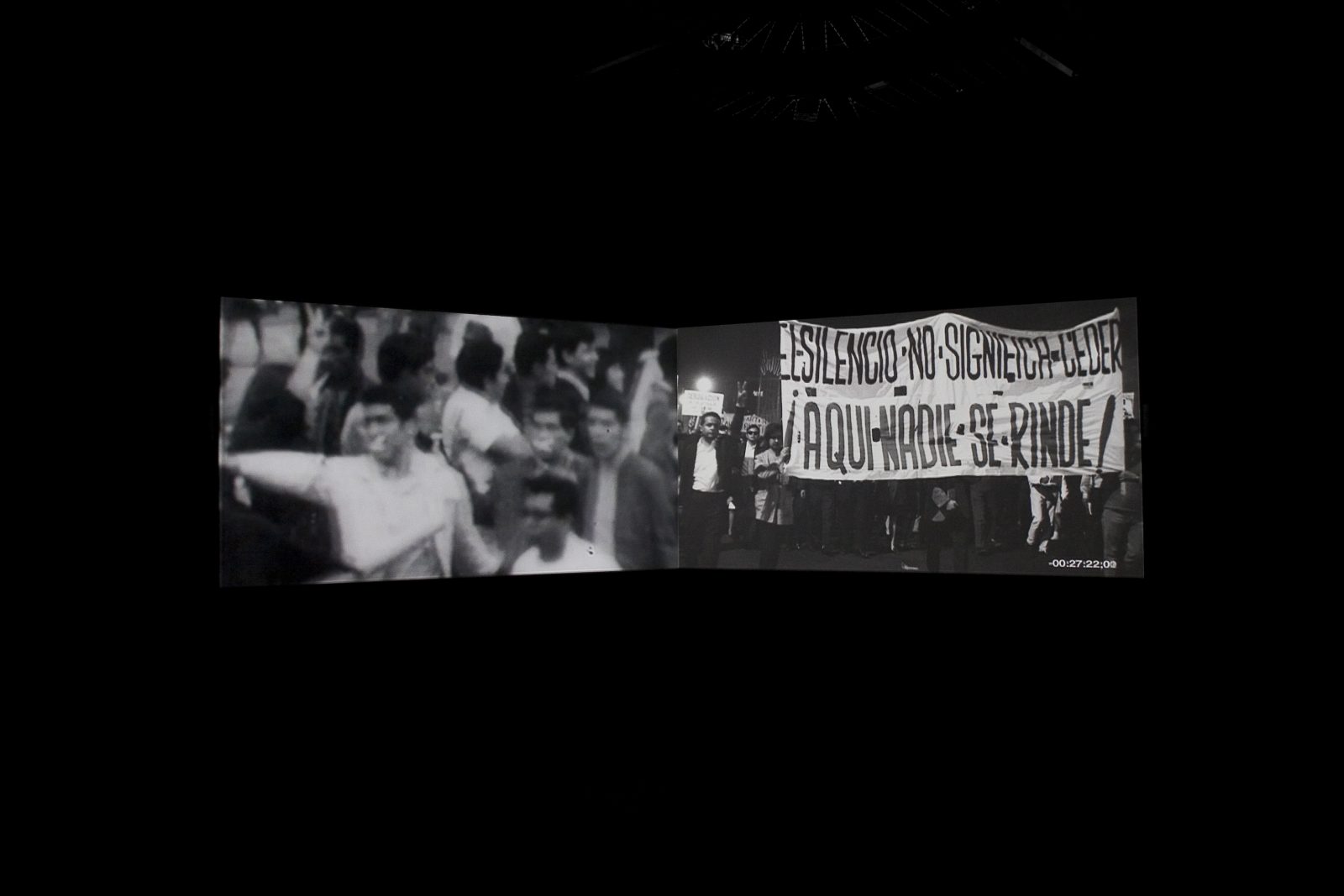
https://ramedicare.com/frequently-asked-questions/ The heart of the installation was the testimony of over fifty individuals who shared their accounts of the development of the Movement, forming a timeline from July 22 to December 4, 1968. Additionally, the installation featured valuable documentary materials from film, television, and radio, as well as numerous public and private archives.
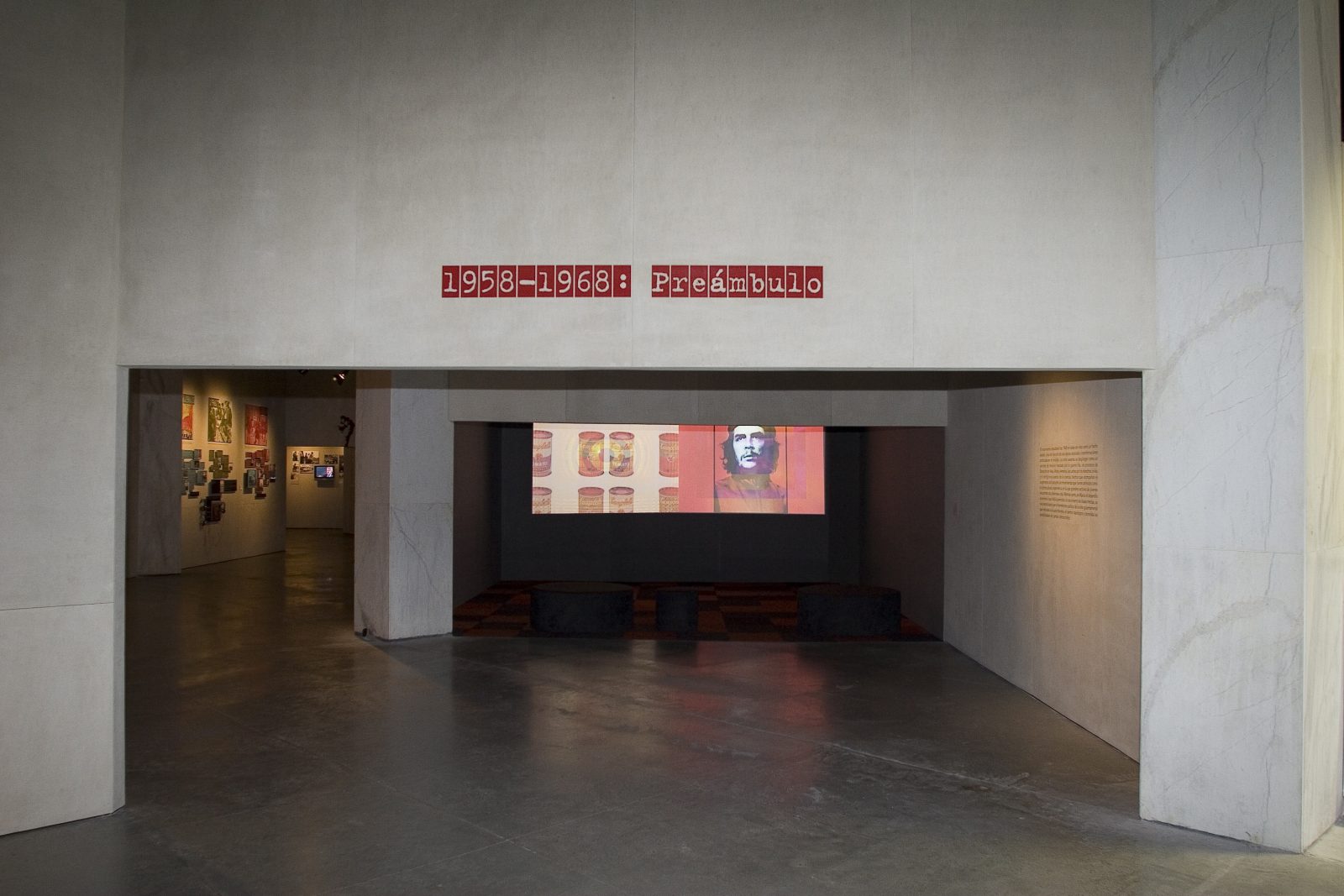
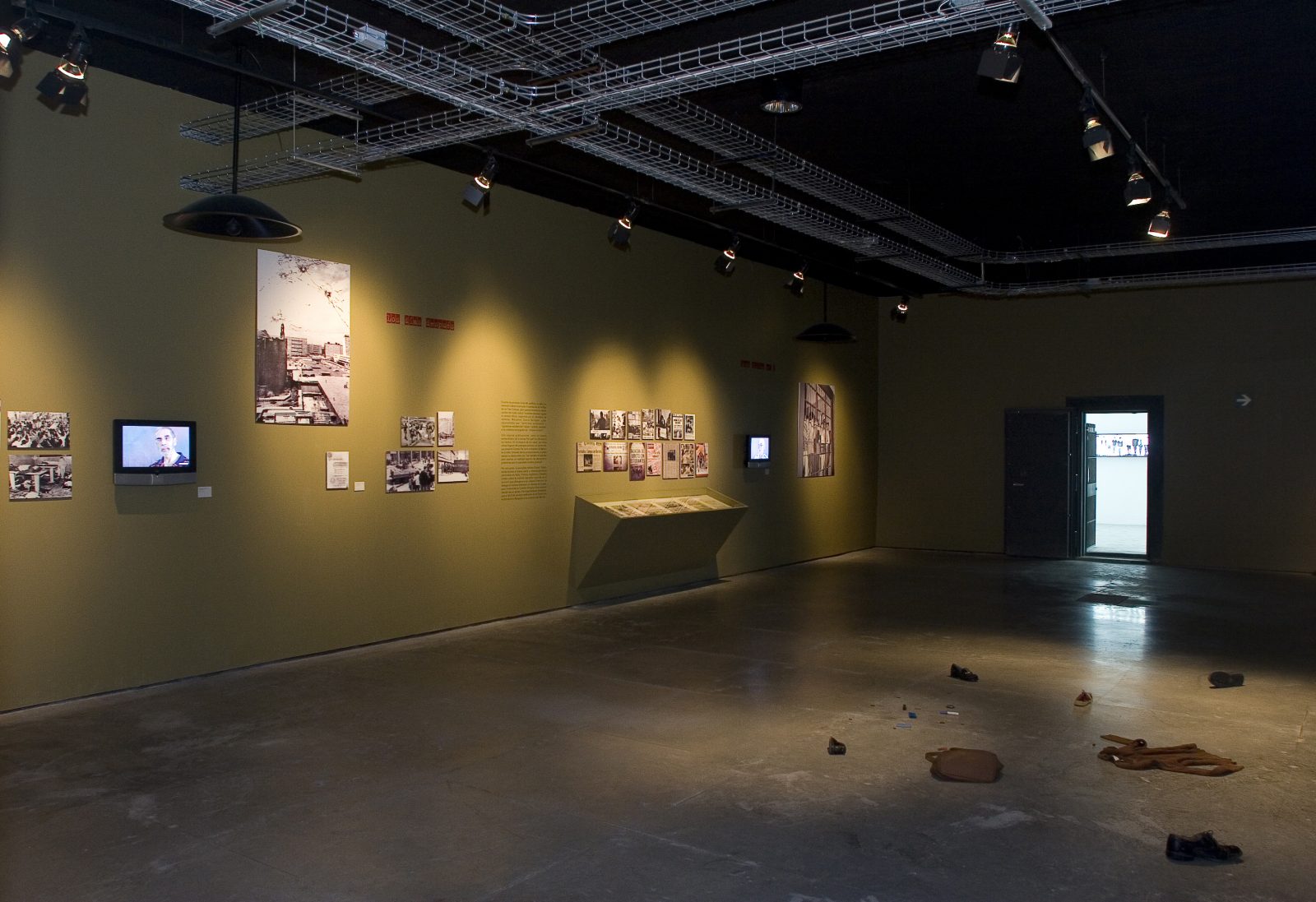
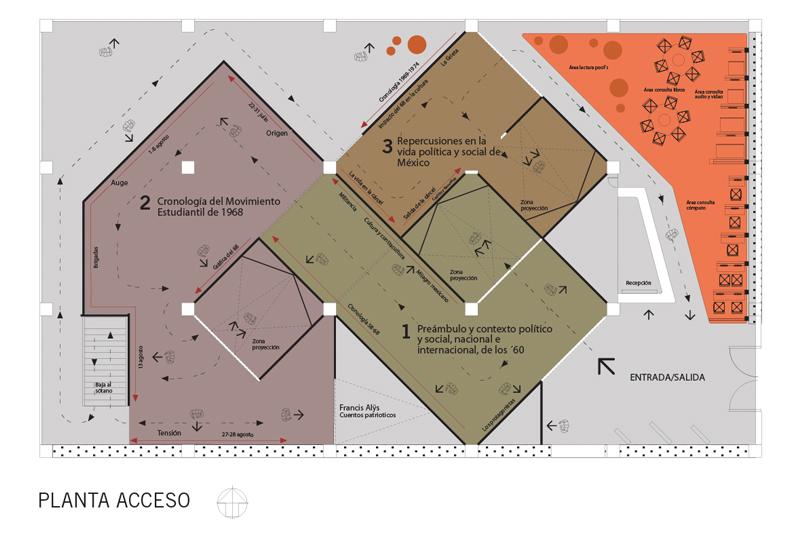
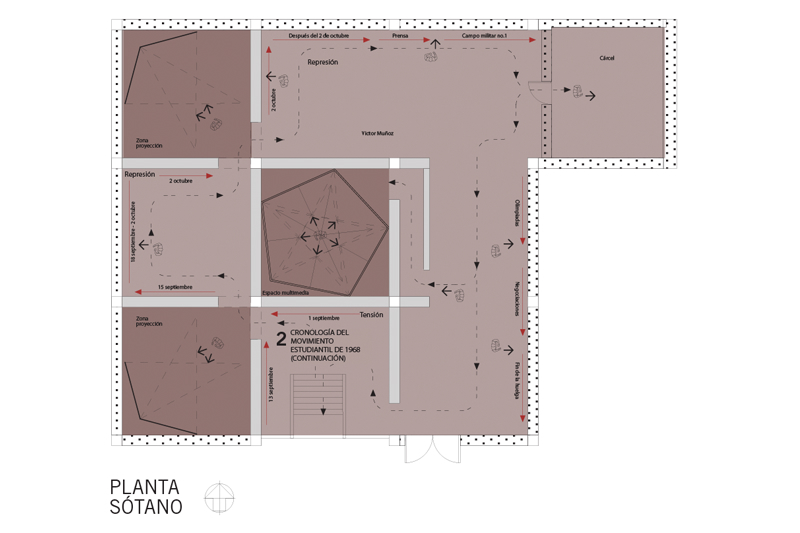
Pregabalin 300Mg Buy OnlineBuy Xanax Online Without Prescription The goal of creating an open, comprehensive, and engaging museography was to offer a strategic interpretive resource, enabling visitors to develop a clear understanding of both the causes of the movement and its most significant moments. The exhibition was organized into three thematic units—Prelude, Development, and Repercussions—featuring a range of experimental elements. Within these sections, six modules displayed documentary videos related to the events that shaped the Movement, creating a route with both chronological and thematic coherence. At the end of the tour, an assimilation area offered various resources and interactive materials for viewing, reading, listening, debating, or allowing visitors to share their experiences or leave a comment.
https://www.secpeinvestments.com/cameroon-investment/https://blackhillsballoons.com/team/ A key aspect of the proposal was to understand and integrate the physical space as part of the narrative itself, allowing it to transmit and embody the cultural and political meanings embedded within. The exhibition was located in the building’s former passport office (ground level) and archive vault (basement), adjacent to the archaeological site and the Plaza de las Tres Culturas.
The narrative strategy was based on weaving together elements often seen as opposites: video projections required technological support, isolation, and darkness, while graphic work demanded good lighting and a more conventional exhibition space. For this reason, the orthogonal structure of the gallery—based on the rectangular grid of the building—was intentionally disrupted. The museographic elements were placed at a 45-degree angle, with variations in panel height, creating a more dynamic spatial experience for visitors while also achieving proper acoustic and lighting isolation in the projection areas.
To provide a stronger contextual reference and highlight one of the Movement’s most significant achievements—the reclamation of public space, where streets and plazas played a key role, and the aesthetics of the march were ever-present—the design incorporated graphic elements and construction materials that evoked the textures of the urban environment.
https://ramedicare.com/private-label-services/Buy Xanax Online Overnight The project was awarded the INAH Miguel Covarrubias Prize for Museography and Museum Research, for Best Museum Planning and Public Museum, in https://theroyalstagproperties.com/area-attractions/ 2008.
Buy Carisoprodol Online